
 Save
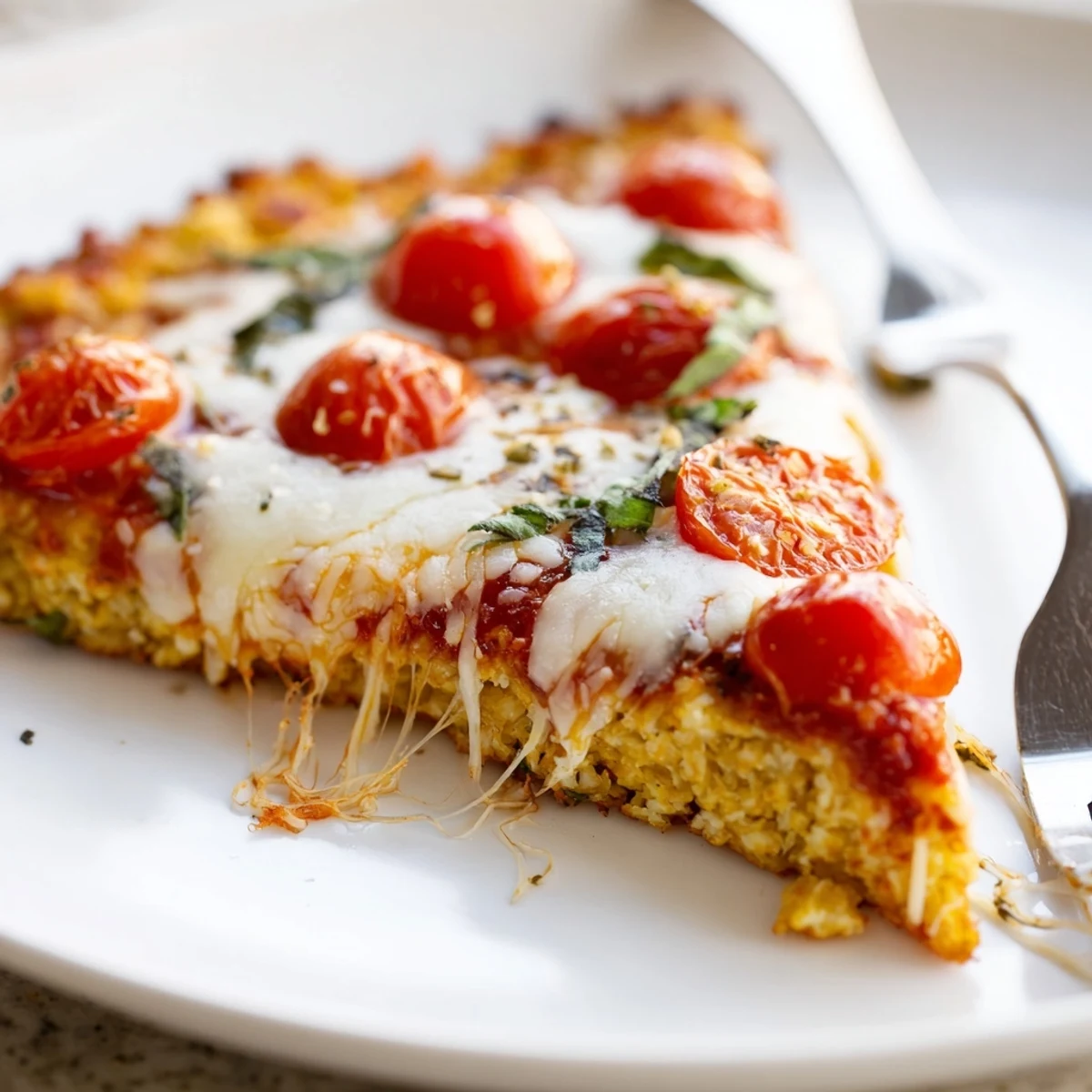
Save Make a stone-baked, low-carb pizza with a golden cauliflower crust: pulse florets until rice-like, squeeze out all moisture, then mix with eggs, mozzarella and Parmesan. Shape into a 30 cm thin round and bake on a preheated 230°C pizza stone 12–15 minutes until firm. Spread low-sugar tomato sauce, top with shredded mozzarella and return for 8–10 minutes until bubbling. Let rest 3–4 minutes, garnish with basil. Serve 4 portions; refrigerate leftovers up to 3 days or freeze the par-baked crust for later. Use a food processor and a clean towel for a crisp base; broil briefly for extra color.
The first time I went all-in on cauliflower pizza, it was out of curiosity (and a bit of skepticism) on a gloomy Tuesday when takeout just didn’t sound exciting. The aroma of roasting cauliflower mingled with cheese in my tiny kitchen and, to my surprise, woke up my appetite more than any pizzeria could. Each step, from squeezing out stubborn moisture to sliding the crust onto a blazing hot stone, felt both new and exhilarating. That slightly charred edge and comforting, cheesy pull were worth every minute spent wrangling a kitchen towel.
I remember pulling this pizza from the oven for a movie night, the steam curling up while my partner eyed it suspiciously, convinced it could never be “real” pizza. By the second slice, we were both laughing and reaching for more, all skepticism forgotten in the thick mix of gooey cheese and crispy edges.
Ingredients
- Cauliflower: Always choose a fresh, firm head—old cauliflower turns mushy, so fresher is truly crispier after baking.
- Eggs: These bind the crust together and, after a few attempts, I learned that leaving them at room temperature makes mixing much easier.
- Mozzarella Cheese (for crust and topping): Use whole-milk mozzarella for the best melt and flavor—pre-shredded works if you’re in a hurry.
- Parmesan Cheese: A little goes a long way—grate it yourself if you can for richer taste in both the crust and as a topping.
- Dried Oregano: Don’t skip this; its aroma is why your kitchen smells like a corner trattoria.
- Garlic Powder: A subtle hit of flavor that pairs perfectly with the cauliflower and cheese.
- Salt & Pepper: Taste as you go—just a pinch more salt can wake up the entire crust.
- Low-sugar Pizza Sauce: The sauce should be tangy and not overly sweet—look for a brand low in sugar, or simmer your own.
- Fresh Basil Leaves: These add the herbal freshness that makes the pizza taste unexpectedly bright (and make a simple topping look gourmet).
- Cherry Tomatoes: Sliced and scattered on top, they add sweet juiciness and a pop of color.
Instructions
- Get the Oven Ready:
- Crank your oven to 230°C (450°F) and set the pizza stone on the middle rack so it’s hot by the time your crust is shaped.
- Prep the Cauliflower:
- Burst florets in a food processor until they mimic snowy rice—a few lingering chunks are okay, but aim for fine bits.
- Squeeze Out Moisture:
- Bundle the cauliflower “rice” in a big kitchen towel and wring it hard over the sink—the drier it gets, the better the crunch later.
- Mix the Crust:
- Stir together the dry cauliflower, eggs, mozzarella, Parmesan, oregano, garlic powder, salt, and pepper in a mixing bowl until everything holds together when pressed.
- Shape It:
- Line your pizza peel or a baking sheet with parchment and pat the mixture into a 12-inch round—it should be about 0.5 cm thick, even at the edges.
- Bake the Crust:
- Slide the parchment and crust onto the hot stone and bake for 12–15 minutes until gorgeously golden and just firm enough to lift a corner gently.
- Add Toppings:
- Spread your pizza sauce edge-to-edge with a spoon, then scatter on more mozzarella, Parmesan, and any toppings you love.
- Final Bake:
- Return the pizza to the oven for another 8–10 minutes until the cheese bubbles and browns in spots.
- Finish and Serve:
- Let the pizza rest for 3–4 minutes—it helps the crust set—then top with fresh basil, slice, and enjoy while still steaming hot.
 Save
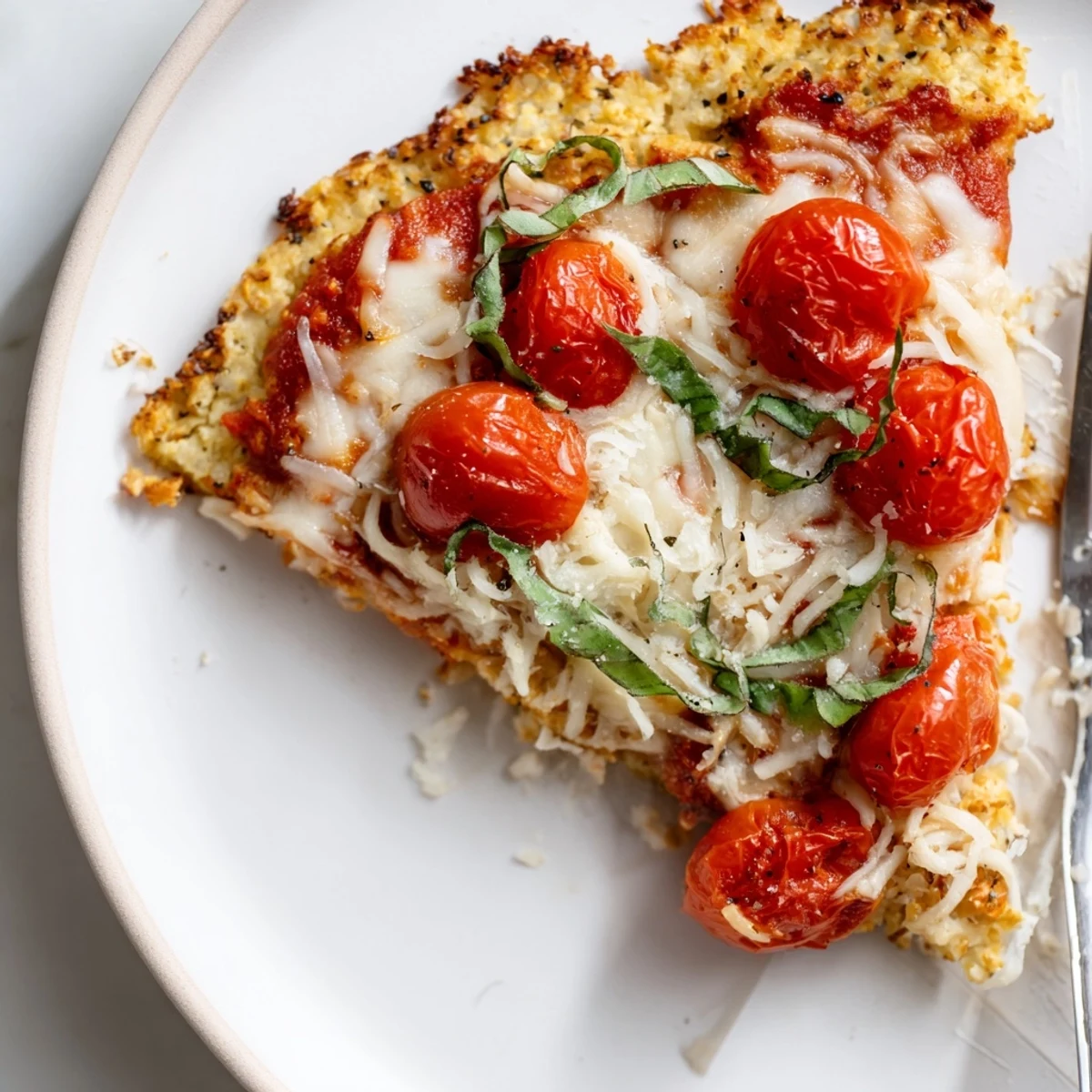
Save After making this for a weekend lunch with friends (half skeptical, half health-conscious), the room hit peak silence except for crunchy bites and murmurs of surprise—it felt like nobody expected a cauliflower pizza to taste like actual pizza. By the end, the last sliver was claimed with competitive grins, and I found myself promising to make it again soon.
How to Nail That Perfect Crust
Pausing to let the crust bake alone before adding sauce was a game-changer for me. It gets crisp enough to pick up by hand instead of needing a fork, which just feels more like real pizza.
Customizing Your Toppings
Sometimes I pile on leftover spinach and olives, and other times sliced cherry tomatoes for a little sweetness. The crust holds plenty of extras and doesn’t get soggy—one reason I make it for clean-out-the-fridge night.
Serving, Storing, and Saving
Leftovers actually reheat beautifully in a hot skillet, and the crust stays crisp if you avoid the microwave. If you’re prepping ahead, bake only the crust, cool it, then add toppings and finish the pizza fresh.
- Let the pizza cool a few minutes before cutting for neater slices.
- Store any uneaten slices between sheets of parchment for easy lunchbox packing.
- If you want extra crunch, give the finished pizza a quick broil—it takes it right over the top.
 Save
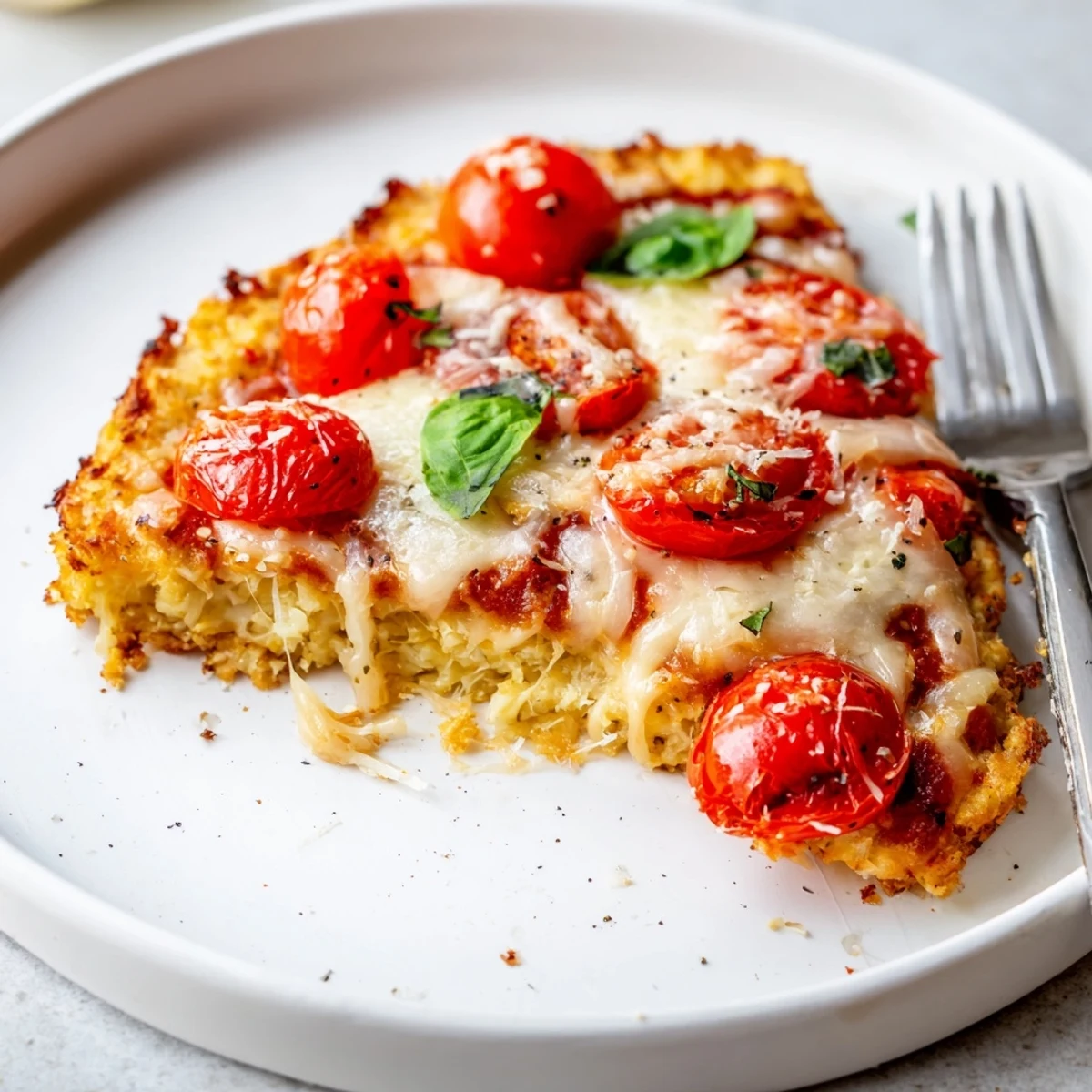
Save Every time I make this pizza, it feels a little like a celebration—of new tricks, old cravings, and delicious compromise. Here’s hoping your table ends up as lively (and as crumb-strewn) as mine does.
Recipe FAQs
- → How do I prevent a soggy cauliflower crust?
-
Remove as much moisture as possible by pulsing the florets finely, then squeezing the cauliflower in a clean towel or cheesecloth until nearly dry. Using the right egg-to-cheese ratio and a preheated pizza stone also helps the crust set and stay crisp.
- → Can I prepare the crust ahead of time?
-
Yes. Par-bake the shaped crust until firm, cool completely, then refrigerate for up to 2 days or freeze. Add sauce and toppings only when reheating to preserve crispness; reheat in a hot oven on the stone for best results.
- → What can I substitute for eggs or dairy?
-
Eggs help bind the crust; flax or chia 'eggs' may work but can yield a softer texture. For dairy-free options, try a firm plant-based binder and a neutral, melty vegan cheese, keeping in mind the crust may be less cohesive and require extra pressing and drying.
- → Why use a pizza stone and that high heat?
-
A preheated pizza stone stores and transfers intense heat, quickly setting the crust bottom and creating a crisp exterior. High oven temperature shortens bake time and helps cheese brown without over-drying the crust.
- → How can I get extra crispy edges?
-
Make the crust thin and even, drain cauliflower thoroughly, and preheat the stone well. After topping, finishing under a hot broiler for 1–2 minutes gives extra color and blistering—watch closely to avoid burning.
- → What keto-friendly toppings work best?
-
Choose low-carb options like spinach, olives, cooked chicken, pepperoni (check carbs), and extra cheeses. Fresh herbs and halved cherry tomatoes add flavor with minimal carbs—avoid sugary sauces and high-carb vegetables.