
 Save
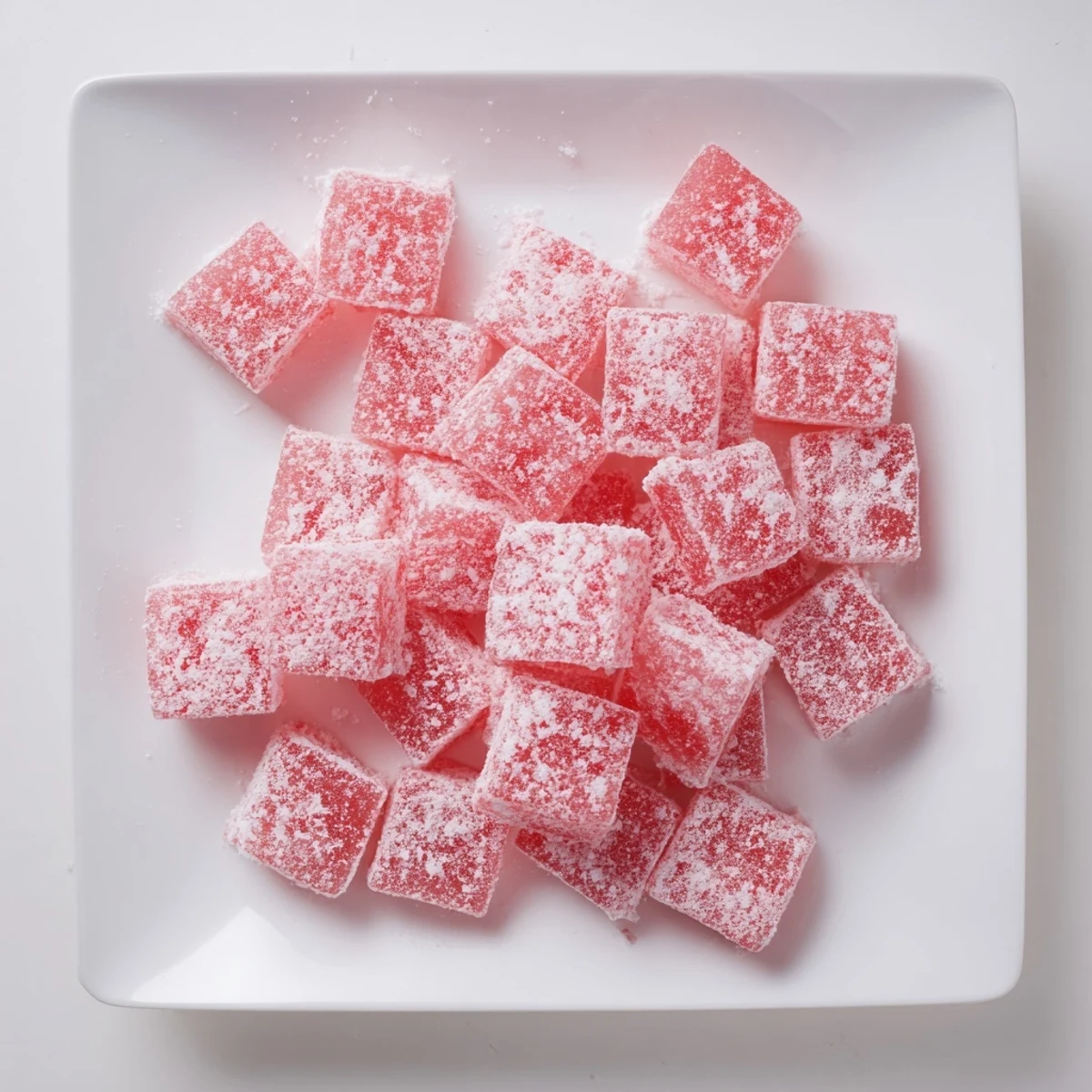
Save These homemade watermelon chews combine fresh fruit puree with a gelatin base for perfectly chewy texture. The tangy citric acid coating creates that classic sweet-sour candy experience. Ready in under 30 minutes of active prep time, these treats need just 2 hours to set before cutting and coating. Customize the sourness level by adjusting the citric acid, or swap watermelon for your favorite fruit puree. Store between wax paper layers for best texture and enjoy within a week.
Last summer my neighbor brought over an armful of watermelons from her garden, way more than anyone could eat fresh. I started experimenting with ways to preserve that bright flavor before it faded, and these tangy chews were the happy accident that stuck. The sour coating wakes up your mouth while the center holds all that summer sweetness.
I made these for a July barbecue and watched my aunt eat five before asking where I found such good candy. She refused to believe kitchen magic was involved until I showed her the container of leftover citric acid on my counter. Now she requests them for every family gathering.
Ingredients
- Seedless watermelon puree: Strain it really well through a fine mesh sieve because any pulp makes the texture weirdly fibrous
- Lemon juice: Brightens that watermelon flavor so it does not taste flat or too watery
- Light corn syrup: Prevents sugar crystals from forming and keeps the chews soft instead of rock hard
- Unflavored gelatin powder: Sprinkle it gently and let it bloom properly or you will end up with stubborn lumps
- Granulated sugar: Use standard white sugar for the clearest red color
- Citric acid powder: This is what gives them that authentic sour candy punch you can not fake with lemon juice alone
Instructions
- Prep your pan:
- Line your square pan with parchment paper and give it a light grease because sticky candy is the worst thing to scrape out later.
- Mix the fruit base:
- Combine your strained watermelon puree, corn syrup, and lemon juice in a small saucepan, stirring until everything is incorporated.
- Bloom the gelatin:
- Sprinkle the gelatin over the surface like gentle rain and walk away for 5 minutes so it can absorb the liquid and soften properly.
- Dissolve everything:
- Add your sugar and warm over medium-low heat, stirring constantly until the gelatin and sugar disappear completely but the mixture never boils.
- Set the candy:
- Pour the hot liquid into your prepared pan, smooth the top, and let it cool at room temperature for 30 minutes before refrigerating for 2 hours.
- Make the sour coating:
- Whisk together your extra sugar and citric acid in a bowl until combined.
- Cut and coat:
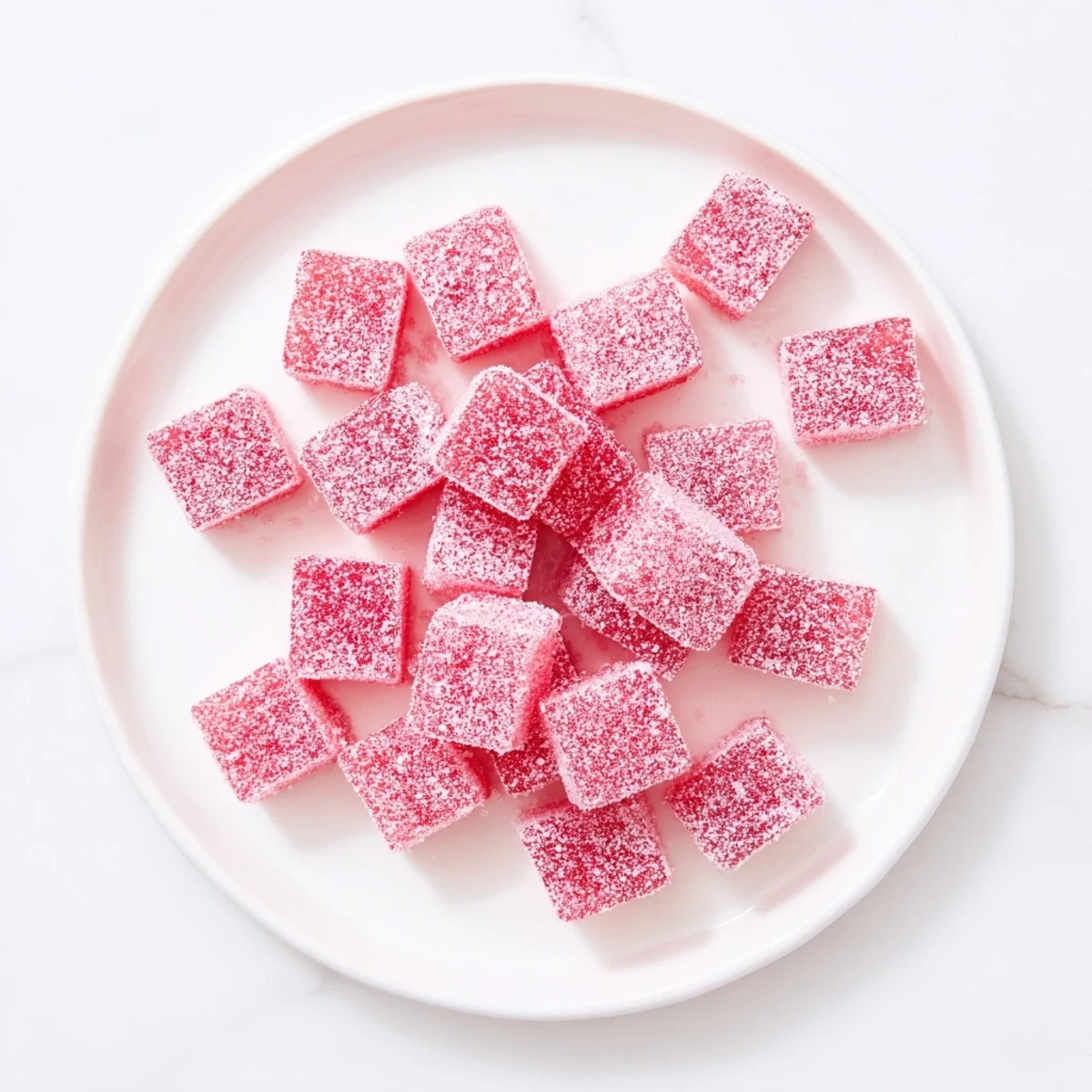
- Use a sharp knife to cut the set candy into small squares then roll each piece in the sour sugar mixture until evenly coated.
 Save
Save My youngest cousin helped me roll the chews in sour sugar and immediately declared herself the official candy quality control tester. She ate about three before I realized what was happening.
Getting The Texture Right
The difference between a perfect chew and a sad rubbery square comes down to how well you strain that watermelon. Take the time to push it through a fine mesh sieve and do not rush the blooming step or your texture will never set properly.
Customizing The Sourness
Citric acid packs a serious punch so start with the suggested amount. I once doubled it thinking more sour meant better candy and my mouth went into full rebellion mode. Taste your coating mixture before you start rolling the chews.
Storing Your Homemade Candy
These chews keep their texture best when stored in an airtight container with wax paper between the layers. The humidity in your kitchen will make them weep and get weirdly sticky if you leave them sitting out.
- Separate layers with wax paper or they will fuse together into one giant candy blob
- Keep them away from warm windowsills because they soften dramatically in heat
- Try to finish them within a week before the texture starts getting strange
 Save
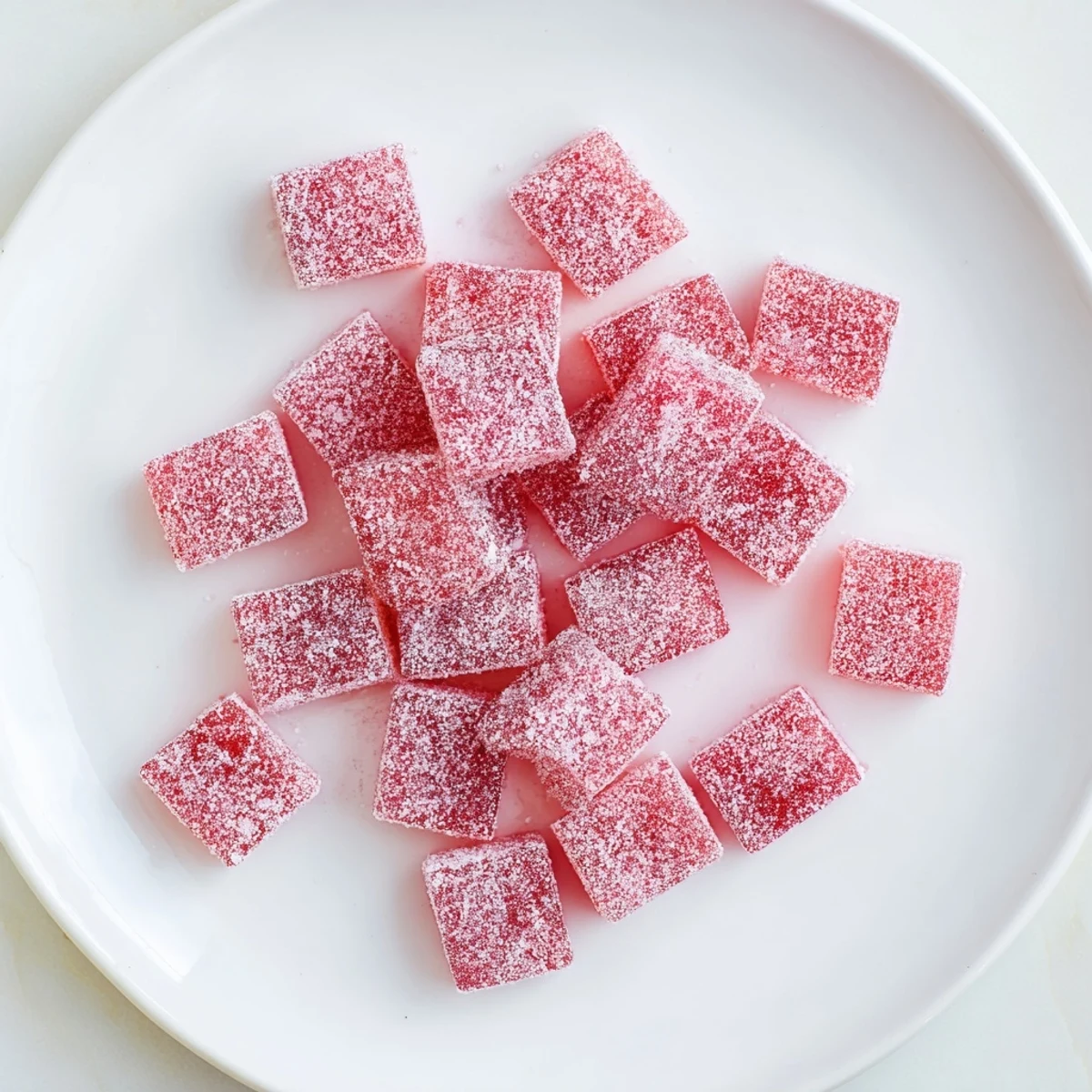
Save These little chews have become my go-to summer hostess gift because nobody expects homemade candy and the watermelon flavor feels like a surprise.
Recipe FAQs
- → How long do these chews stay fresh?
-
These homemade fruit chews maintain their ideal texture for about one week when stored properly in an airtight container with wax paper between layers. The coating may absorb moisture over time, so enjoy within a few days for the crispiest sugar coating.
- → Can I make these vegan?
-
Traditional gelatin isn't vegan, but you can substitute with agar powder. Use about 1 tablespoon of agar powder for every 2 tablespoons of gelatin called for. The texture may be slightly firmer, but the flavor remains delicious.
- → What other fruits work well?
-
Strawberry, raspberry, mango, and peach purees all create excellent variations. Each fruit brings its natural sweetness and color. Adjust lemon juice based on the fruit's natural acidity—tarter fruits need less citrus.
- → Why must I strain the watermelon puree?
-
Removing pulp and seeds ensures smooth, uniform chews without fibrous bits. The strained juice incorporates evenly with gelatin for consistent texture. A fine mesh sieve works perfectly for this step.
- → Can I reduce the sugar?
-
Sugar helps achieve proper texture and preservation. Reducing it significantly affects how the chews set and their shelf life. For a lighter version, try monk fruit or erythritol, though texture may vary slightly.