
 Save
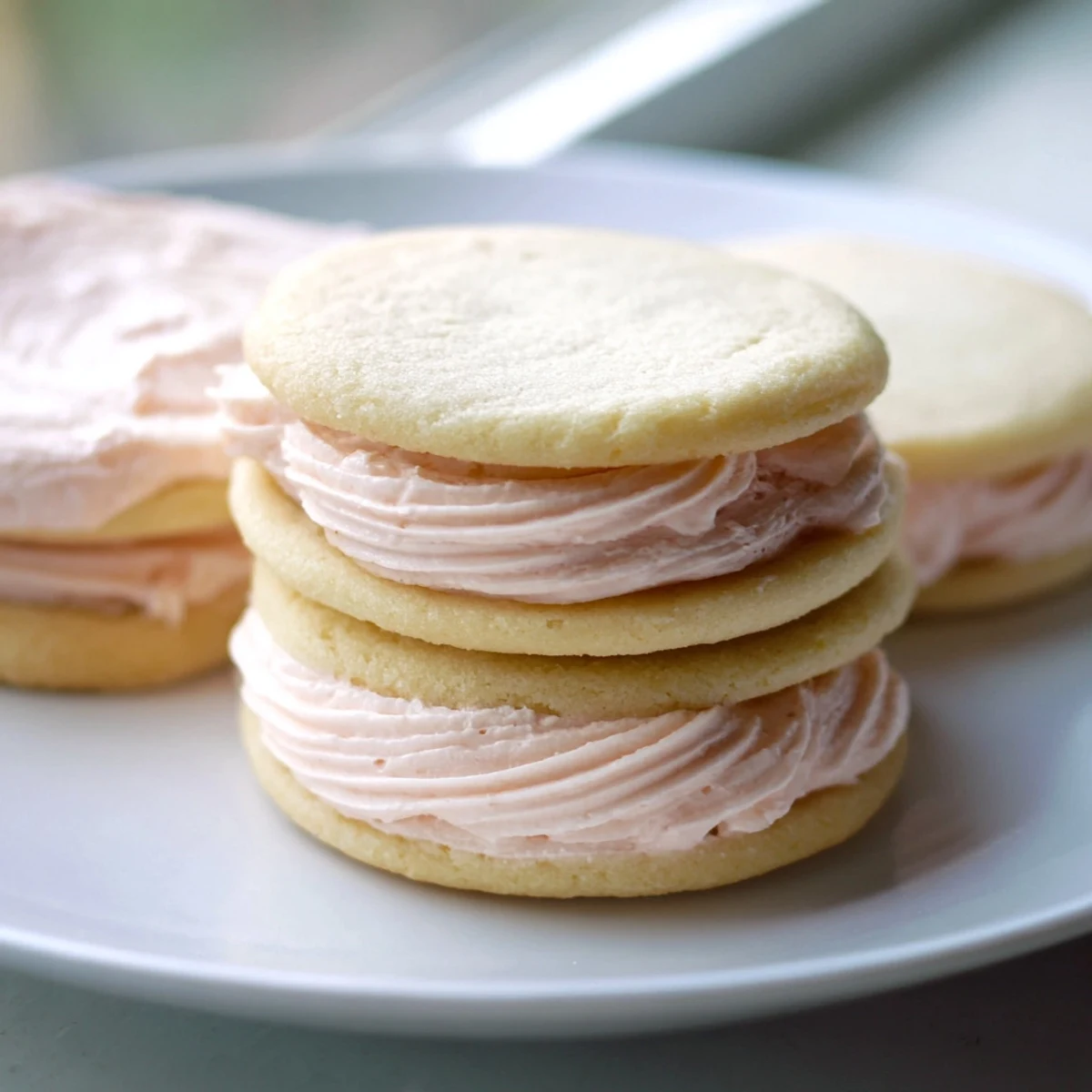
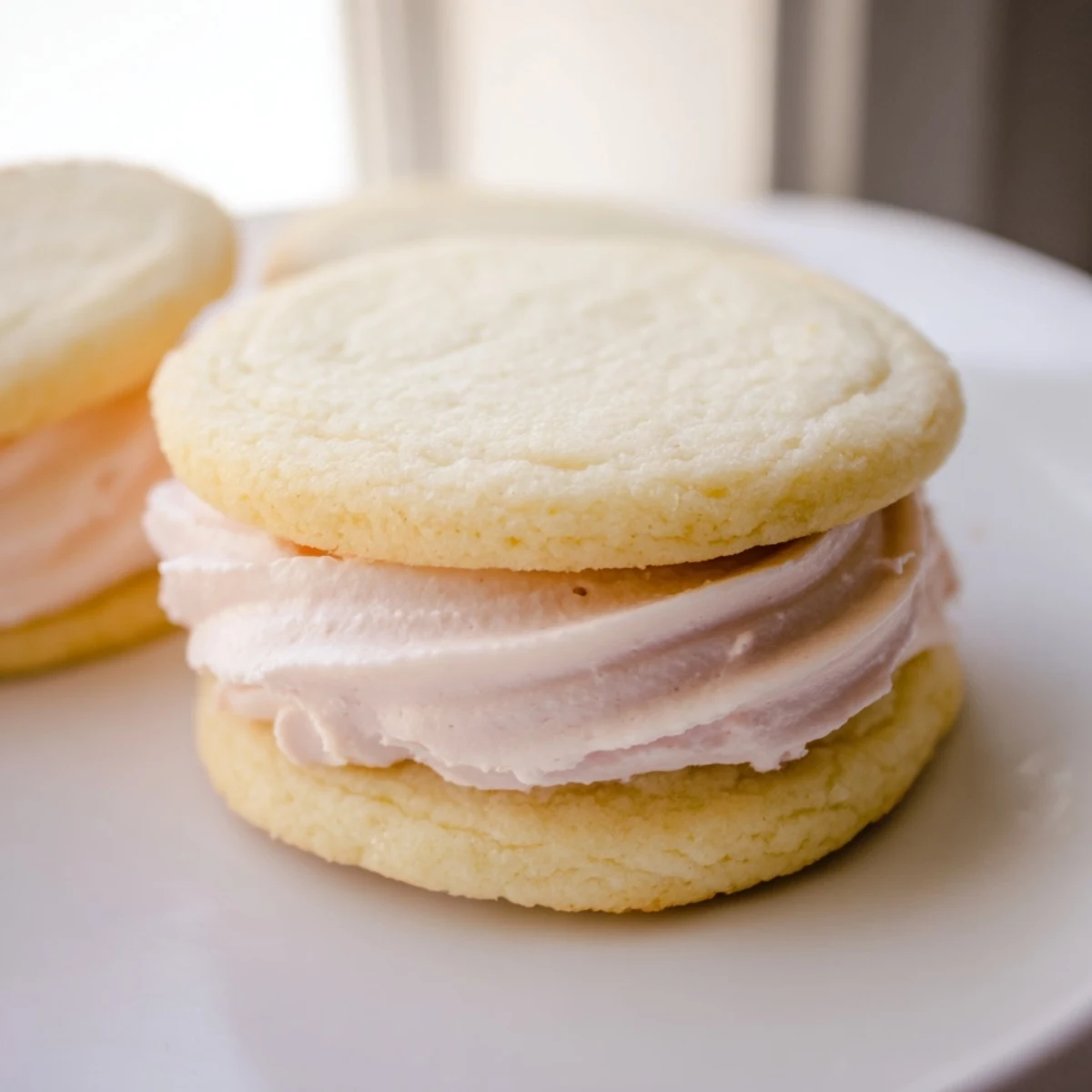
Save Create charming sandwich cookies featuring delicate sugar cookies paired with pastel buttercream in soft shades of pink, yellow, green, blue, or purple. The process begins with creaming butter and sugar until fluffy, then adding vanilla and egg before incorporating flour. After chilling the dough for proper texture, roll and cut into rounds, baking until edges turn golden. The silky buttercream filling gets tinted with gel food coloring for that signature pastel look. Assembly involves spreading the colorful frosting between cooled cookies, creating twelve delightful treats perfect for spring gatherings, baby showers, or elegant afternoon tea services.
The first time I made these pastel sugar cookie sandwiches, it was actually by accident. I had planned to make simple decorated sugar cookies for my niece's birthday, but half the cookies came out of the oven slightly thinner than the others. Instead of panicking, I decided to turn them into sandwich cookies with pastel buttercream. The birthday girl loved them so much she asked if I could make rainbow ones next time.
Last spring, I made a batch with my three year old daughter. We had food coloring everywhere, including a surprising amount on the ceiling somehow. She took such pride in piping the frosting herself, even though most of it ended up on her face instead of the cookies. Those lopsided colorful sandwiches were the best ones we have ever made.
Ingredients
- All-purpose flour (2 ½ cups): The foundation of these delicate cookies, providing structure without being too dense
- Baking powder (½ teaspoon): Just enough lift to keep the cookies tender without making them cakey
- Salt (¼ teaspoon): Balances the sweetness and enhances the vanilla flavor
- Unsalted butter (¾ cup + ½ cup): Room temperature butter is crucial for both the cookie dough and silky buttercream
- Granulated sugar (1 cup): Creates the crisp texture and helps the cookies hold their shape
- Large egg: Binds the dough together and adds richness
- Pure vanilla extract (1 teaspoon + 1 teaspoon): Use the good stuff, it makes a noticeable difference in both components
- Powdered sugar (2 cups): Sifting first prevents lumps in your smooth buttercream
- Milk (1 ½ tablespoons): Adjusts the buttercream consistency to perfect spreading texture
- Pastel gel food coloring: Gel colors give you vibrant pastels without thinning the frosting
Instructions
- Whisk the dry ingredients:
- In a medium bowl, combine the flour, baking powder, and salt until evenly distributed
- Cream the butter and sugar:
- Beat the butter and granulated sugar for 2 to 3 minutes until the mixture looks pale and fluffy
- Add the wet ingredients:
- Mix in the egg and vanilla extract until everything is well combined
- Combine the dough:
- Gradually add the dry ingredients, mixing just until you no longer see visible flour
- Chill the dough:
- Divide the dough in half, form into discs, wrap tightly, and refrigerate for at least 30 minutes
- Prepare for baking:
- Preheat your oven to 350°F and line two baking sheets with parchment paper
- Roll and cut:
- Roll one dough disc to ¼ inch thickness and cut rounds with a 2 inch cutter, placing them 1 inch apart
- Bake to perfection:
- Bake for 8 to 10 minutes until the edges are just barely starting to turn golden
- Cool completely:
- Let the cookies rest on the baking sheets for 2 minutes before moving them to cooling racks
- Make the buttercream:
- Beat the butter until creamy, then gradually add powdered sugar, milk, vanilla, and salt until smooth
- Create pastel magic:
- Divide the buttercream into small bowls and tint each with a different pastel gel color
- Assemble the sandwiches:
- Spread or pipe buttercream on half the cookies and top with remaining cookies
- Set before serving:
- Let the assembled cookies rest for 20 minutes so the filling firms up slightly
 Save
Save My neighbor Mrs. Henderson, who is 82, tasted these when I brought over a plate last spring. She told me they reminded her of the bakery her grandmother used to take her to on Saturday mornings. The next week she showed up at my door with her vintage collection of cookie cutters, insisting I needed them more than she did.
Getting The Right Consistency
The buttercream should hold its shape when piped but still spread smoothly. If it is too stiff, add another teaspoon of milk. Too soft, beat in another quarter cup of powdered sugar.
Working With Gel Colors
Start with a tiny amount on a toothpick, you can always add more. It is much easier to deepen color than to fix an overly dark pastel that was supposed to be delicate.
Making Them Ahead
The dough freezes beautifully for up to three months, just thaw overnight in the refrigerator before rolling. The baked cookies also freeze well unfilled.
- Wrap baked cookies tightly in plastic wrap and freeze for up to two months
- Thaw at room temperature still wrapped to prevent condensation from making them soggy
- Fill only after completely thawed for the freshest texture
 Save
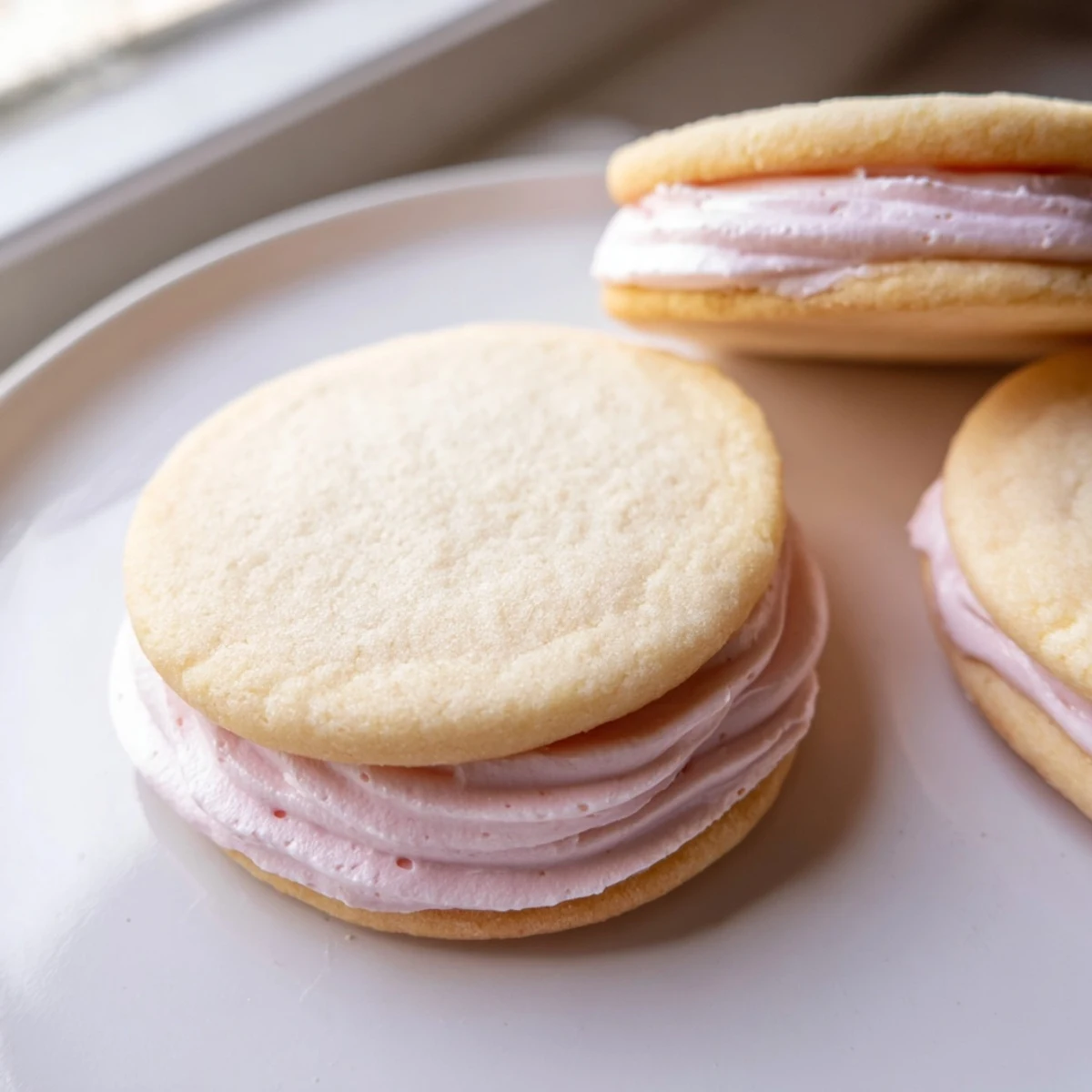
Save There is something so joyful about biting into these pastel treasures and seeing that pop of color inside. They make ordinary Tuesday afternoons feel like tiny celebrations.
Recipe FAQs
- → How long should the cookie dough chill before rolling?
-
Refrigerate the dough for at least 30 minutes after dividing and flattening into discs. This chilling period prevents the cookies from spreading too much during baking and makes the dough easier to roll and cut cleanly.
- → Can I make these ahead of time?
-
Yes, you can prepare the dough up to 2 days in advance and store it wrapped in the refrigerator. The assembled cookies keep well in an airtight container at room temperature for up to 3 days, making them perfect for preparing ahead of parties or events.
- → What type of food coloring works best for pastel buttercream?
-
Gel food coloring produces the most vibrant pastel shades without thinning the buttercream. Liquid food coloring can alter the consistency, while gel delivers concentrated color. Start with tiny amounts—you can always add more to achieve your desired soft pastel hue.
- → Why do my cookies spread too much in the oven?
-
Over-softened butter or insufficient chilling time typically causes excessive spreading. Ensure your butter is at room temperature but not melted, and don't skip the 30-minute refrigeration step. Rolling dough to consistent ¼-inch thickness also helps maintain shape during baking.
- → Can I freeze the assembled cookie sandwiches?
-
While you can freeze the unfilled baked cookies for up to 3 months, freezing assembled sandwiches isn't recommended. The buttercream texture changes when thawed, becoming grainy or separating. Freeze plain cookies and fill with freshly made buttercream when ready to serve for best results.
- → How do I get consistent-sized cookies?
-
Use a 2-inch round cookie cutter and roll dough to exactly ¼-inch thickness. Work with one dough disc at a time, keeping the other chilled. Cut cookies as close together as possible to minimize rerolling, which toughens the dough. Space cookies 1 inch apart on baking sheets.