
 Save
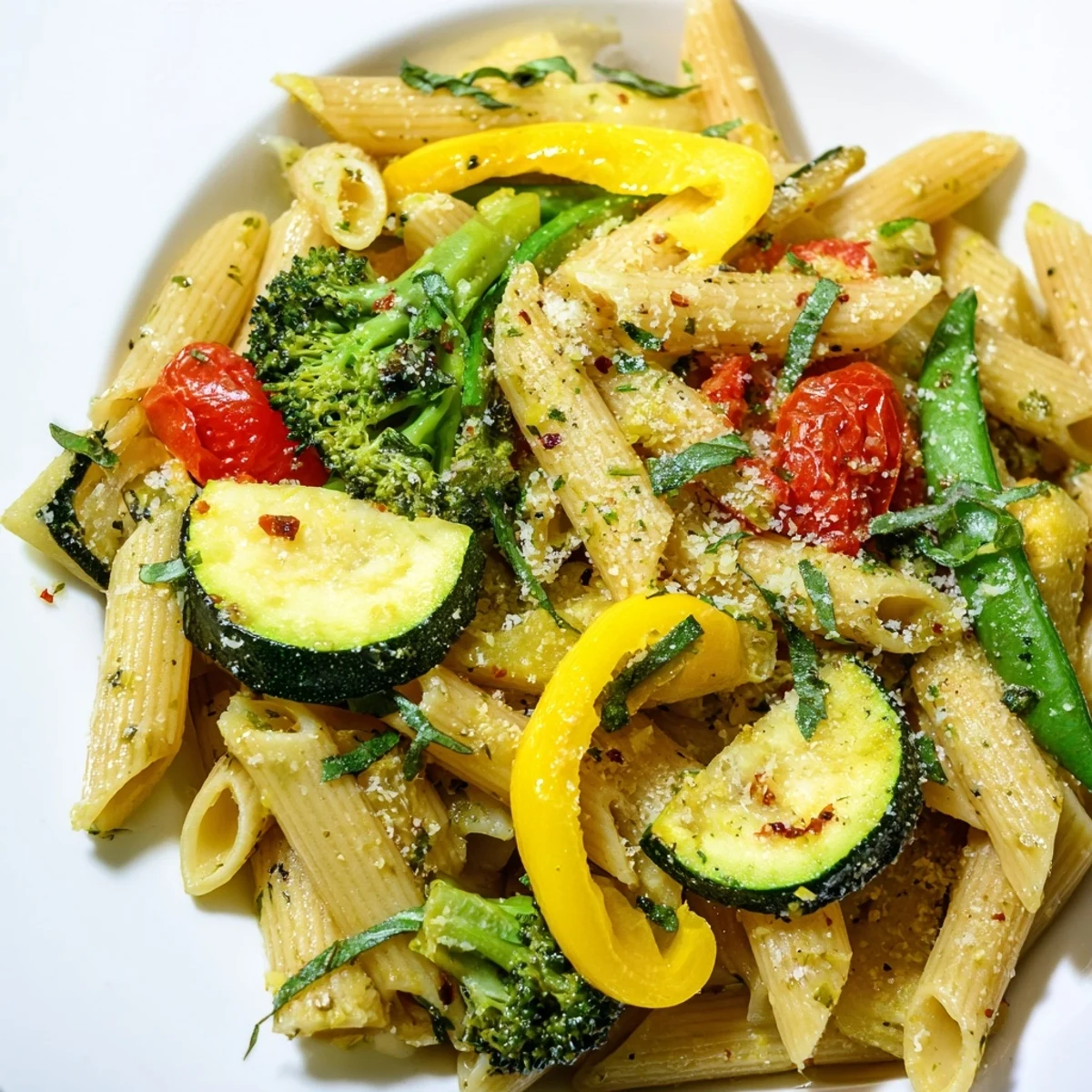
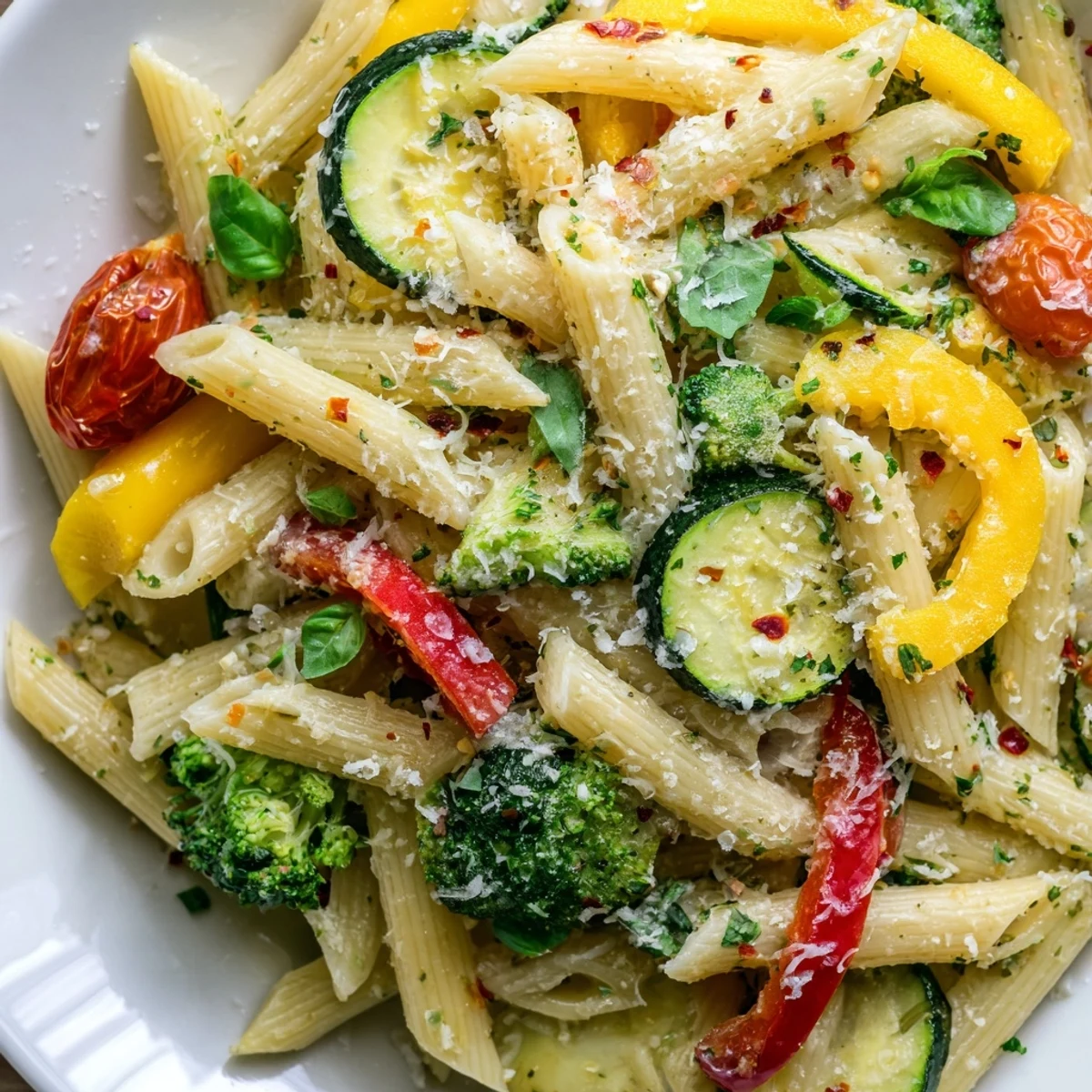
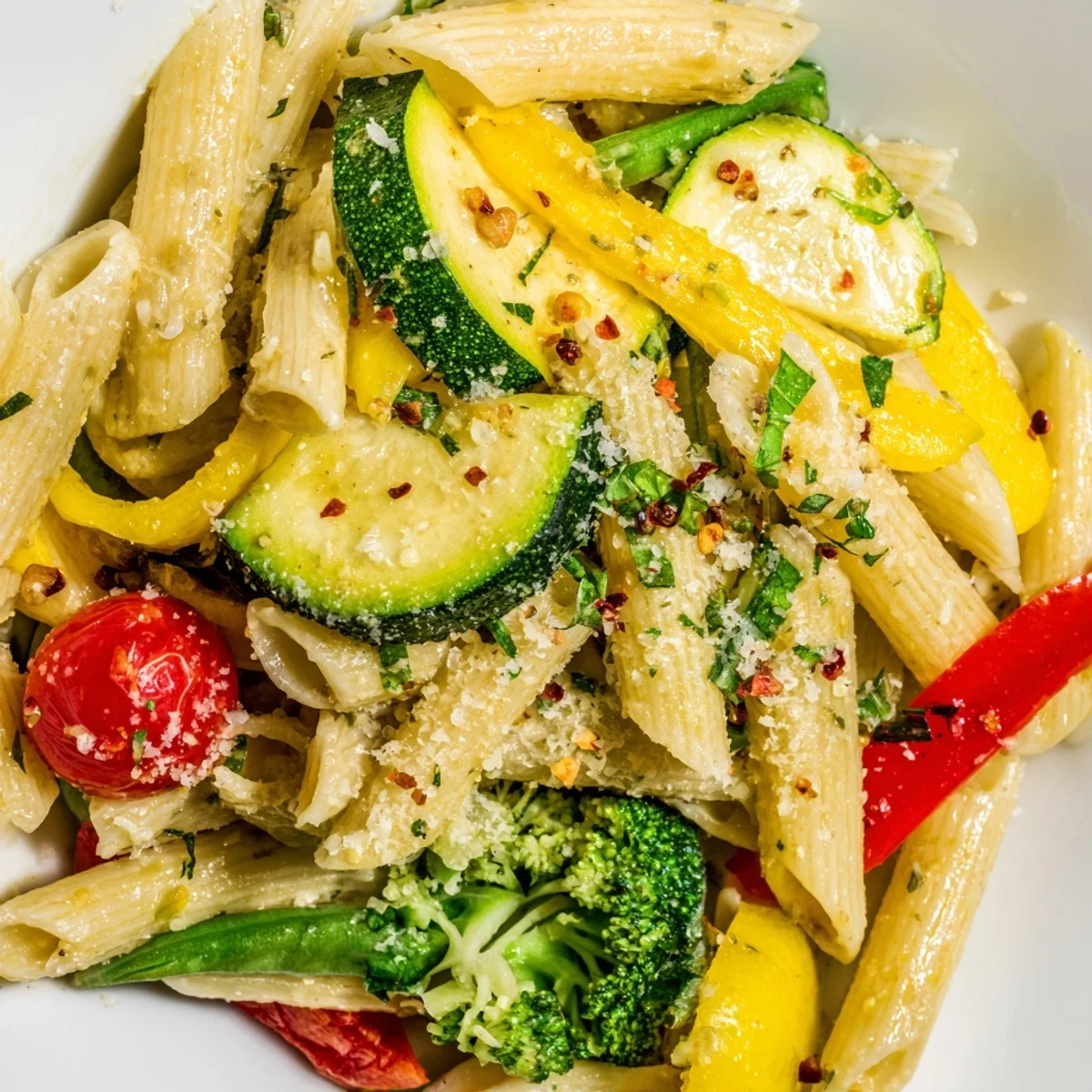
Save This colorful Italian classic combines perfectly cooked pasta with a medley of fresh spring vegetables including zucchini, yellow squash, bell peppers, cherry tomatoes, broccoli florets, and sugar snap peas. The vegetables are sautéed until just tender, then tossed with the pasta in a light sauce made with olive oil, garlic, vegetable broth, and fresh lemon juice. Finished with grated Parmesan, basil, and parsley, this dish comes together in just 40 minutes for a nutritious and satisfying meal that celebrates the flavors of the season.
The kitchen was already hot when my friend Marco burst in with a farmers market haul that looked like spring had exploded all over his counter. We were both starving after hiking, and he insisted pasta primavera was the only thing that would do justice to these vegetables. I was skeptical about how simple it seemed, but watching everything come together in that bright, colorful pan changed my mind completely.
That afternoon, we sat on his balcony eating straight from the pan, burning our tongues slightly because we couldnt wait. The vegetables still had this beautiful crunch, and the pasta was coated in just enough sauce to bind everything together. Marco told me his grandmother made this every Sunday, adjusting the vegetables based on what was in season, and suddenly I understood why this dish is such a classic.
Ingredients
- 400 g penne or spaghetti: Choose something sturdy enough to hold onto the vegetables but not so thick it overwhelms them
- 1 small zucchini and yellow squash: Slice them thinly so they cook quickly and stay tender crisp
- 1 red bell pepper: Julienned into thin strips for beautiful color and sweetness
- 1 cup cherry tomatoes: They burst slightly in the pan creating little pockets of juicy flavor
- 1 cup sugar snap peas and broccoli florets: These add the perfect fresh crunch and keep their vibrant green color
- 3 tablespoons extra virgin olive oil: The foundation that carries all the flavors together
- 3 cloves garlic: Freshly minced because nothing compares to that aromatic punch
- 1/2 teaspoon crushed red pepper flakes: Optional but adds this gentle warmth that balances the brightness
- 1/2 cup vegetable broth: Creates a silky sauce without overwhelming the vegetables
- Juice of 1 lemon: The secret ingredient that makes everything taste alive
- 1/4 cup grated Parmesan cheese: Adds a savory depth without being too heavy
- Fresh basil and parsley: Generously chopped because fresh herbs are non negotiable here
Instructions
- Get your pasta water going first:
- Bring a large pot of salted water to boil and cook pasta until al dente, reserving that precious cup of starchy water before draining
- Warm the olive oil and garlic:
- Heat the oil in your largest skillet over medium heat, add the garlic and red pepper flakes if using, and let it sizzle for just a minute until fragrant
- Start the heartier vegetables:
- Add the zucchini, squash, bell pepper and broccoli, sautéing for 4 to 5 minutes until they soften but still have some bite
- Add the delicate vegetables:
- Toss in the cherry tomatoes and snap peas, cooking for another 2 to 3 minutes until tomatoes start to blister
- Create the sauce base:
- Pour in the vegetable broth and lemon juice, letting everything simmer together for 2 minutes and seasoning well with salt and pepper
- Bring it all together:
- Add the cooked pasta to the skillet with the Parmesan, using splashes of the reserved pasta water to create a glossy sauce that clings to everything
- Finish with fresh herbs:
- Stir in the chopped basil and parsley, taste and adjust the seasoning, then serve immediately while everything is vibrant and hot
 Save
Save Years later I still make this when friends come over, and everyone always asks for the recipe. There is something so satisfying about a dish that looks impressive but comes together in the time it takes to boil water. The best part is watching people go back for seconds because they cannot believe something this simple tastes this good.
Choosing Your Vegetables
The beauty of pasta primavera is its flexibility. I have made this with asparagus in spring, corn in summer, and even roasted butternut squash in fall. The key is cutting everything into similar sizes so they cook evenly, and avoiding vegetables that release too much water like mushrooms which can make the sauce soggy.
Getting The Sauce Right
The sauce should be light and glossy, not heavy or swimming in liquid. I learned the hard way that adding all the pasta water at once dilutes the flavors, so add it gradually. The starch from the pasta water combined with the lemon and Parmesan creates this emulsion that coats every strand perfectly.
Serving Suggestions
This dish works beautifully as a main course or as a side alongside grilled fish or chicken. I love serving it family style on a large platter with extra Parmesan and fresh herbs on the table so everyone can customize their portion.
- Let the pasta rest for 2 minutes before tossing so the sauce has time to thicken slightly
- Add a handful of arugula at the end for a peppery contrast
- Finish with an extra drizzle of olive oil right before serving for a glossy finish
 Save
Save There is something magical about a recipe that transforms simple ingredients into something that feels like a celebration. Hope this brightens up your table as much as it has mine.
Recipe FAQs
- → What vegetables work best in pasta primavera?
-
Spring vegetables like zucchini, yellow squash, bell peppers, cherry tomatoes, broccoli florets, and sugar snap peas work beautifully. Feel free to add asparagus, peas, or green beans based on what's fresh and available.
- → How do I prevent the vegetables from becoming mushy?
-
Sauté the harder vegetables first (zucchini, squash, bell peppers, broccoli) for 4-5 minutes, then add quicker-cooking vegetables like cherry tomatoes and snap peas for just 2-3 minutes. This keeps everything tender-crisp with vibrant color.
- → Can I make this dish gluten-free?
-
Yes, simply substitute regular pasta with your favorite gluten-free pasta. Brown rice pasta, corn-based pasta, or chickpea pasta all work well in this dish.
- → How can I add more protein to this pasta primavera?
-
Stir in cooked shredded chicken, grilled shrimp, or chickpeas when tossing everything together. You can also sprinkle with extra Parmesan or add a dollop of ricotta cheese for additional protein.
- → What wine pairs well with pasta primavera?
-
A crisp Pinot Grigio or Sauvignon Blanc complements the fresh vegetables and light sauce beautifully. The acidity and bright fruit notes balance the lemon-garlic flavors perfectly.
- → How long will leftovers keep?
-
Store leftover pasta primavera in an airtight container in the refrigerator for up to 3 days. Reheat gently with a splash of water or broth to loosen the sauce. Note that the vegetables will soften when reheated.