
 Save
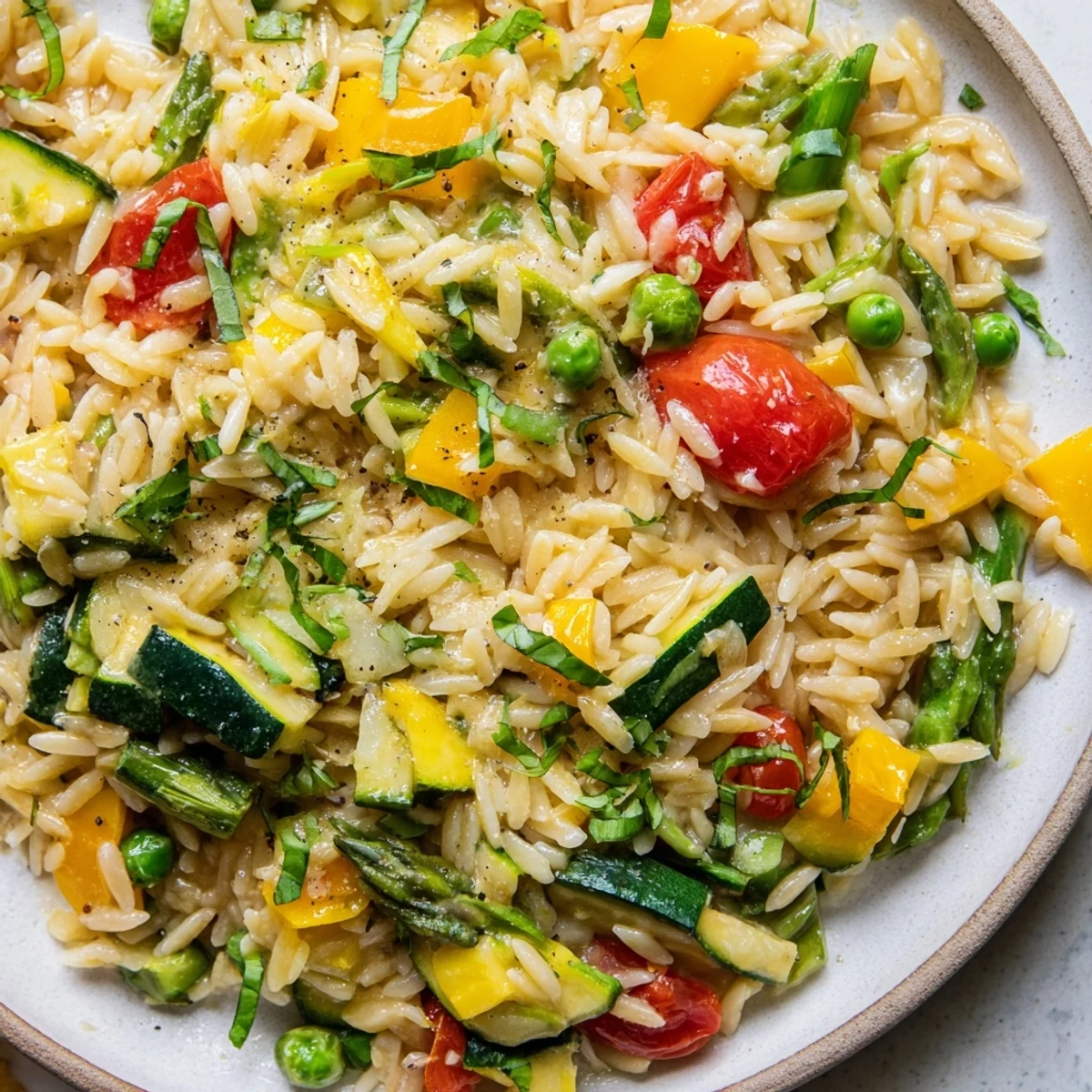
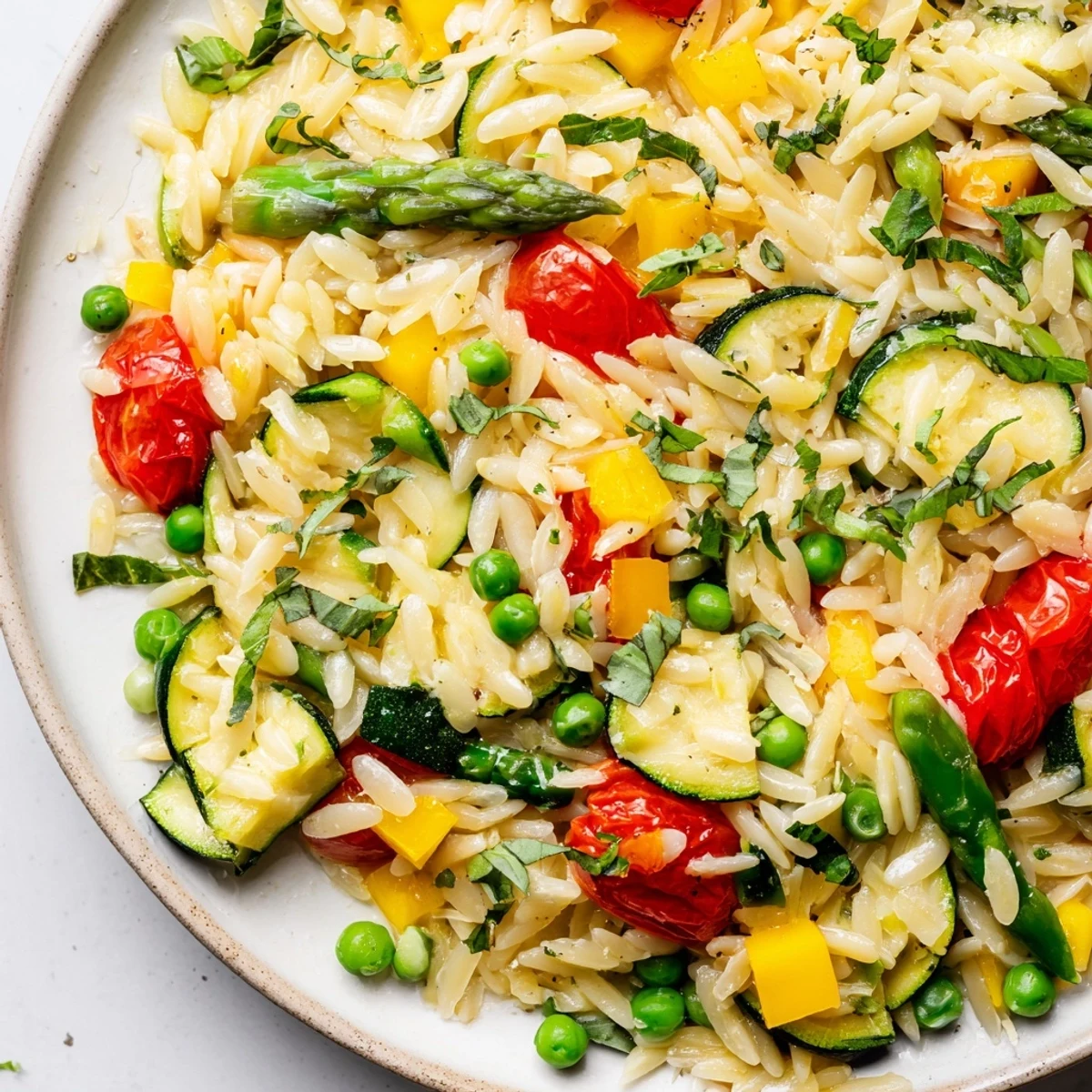
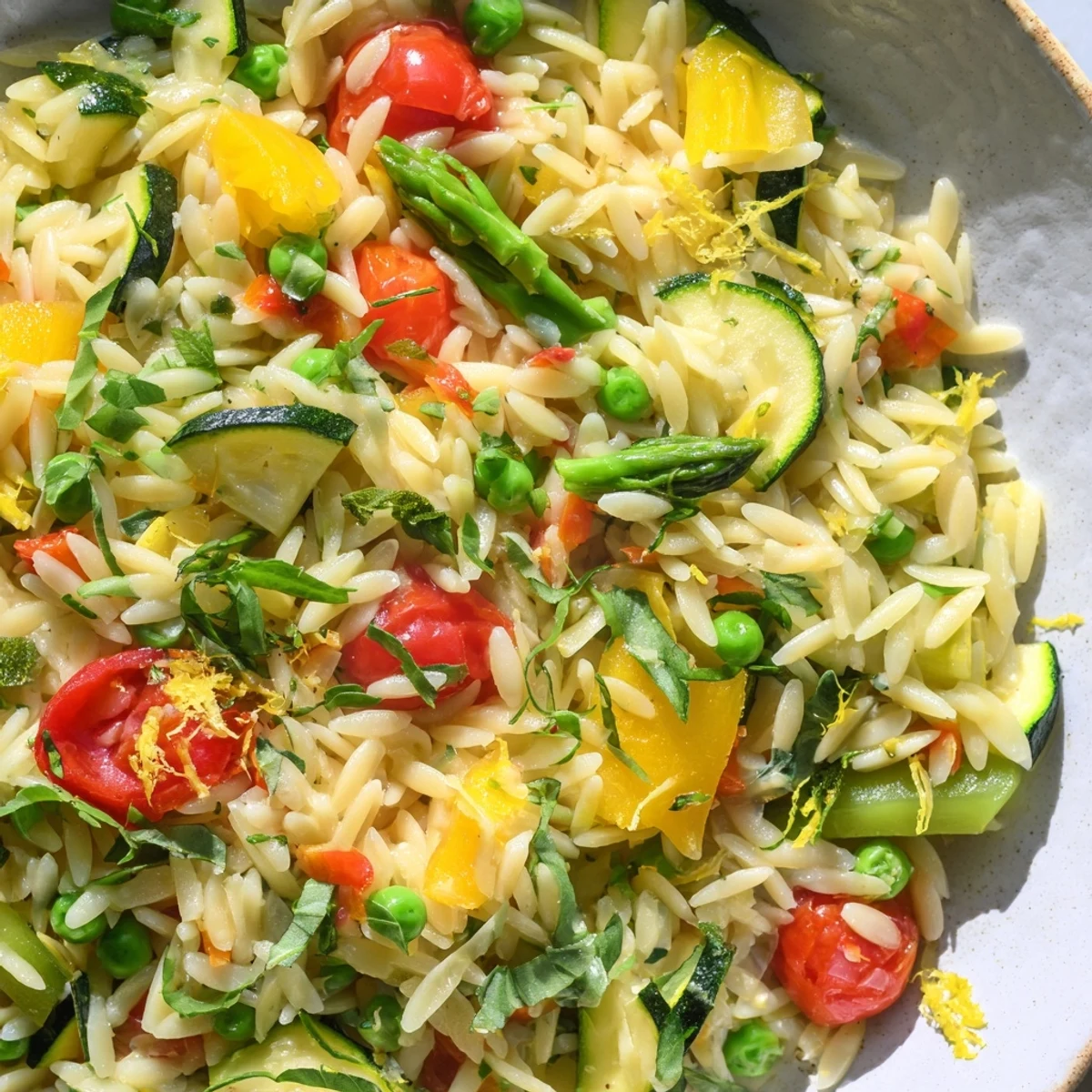
Save This vibrant orzo dish combines tender pasta with a colorful medley of spring vegetables including zucchini, cherry tomatoes, bell peppers, asparagus, and peas. The light, creamy sauce features olive oil, garlic, fresh lemon zest and juice, and grated Parmesan cheese. Finished with aromatic basil and parsley, this vegetarian main comes together in just 35 minutes.
The first time I made orzo primavera, I was halfway through cooking when I realized I'd never actually cooked with orzo before. I kept double-checking the package to make sure I hadn't bought rice by mistake. But as those tiny pasta pearls started swimming around with the bright vegetables, something magical happened in my kitchen.
Last spring, my neighbor Sarah brought over a basket of vegetables from her garden, and I threw them all into this pasta. We ate it on her back porch with cheap white wine and talked until the mosquitoes chased us inside. Sometimes the best meals happen when you cook exactly what's in front of you.
Ingredients
- 250 g orzo pasta: This rice-shaped pasta is secretly perfect for catching sauce in its little curves
- 1.5 L water: Enough to give the orzo room to dance while it cooks
- 1 tsp salt: Salting the pasta water is the only chance to season the orzo itself
- 1 small zucchini, diced: Adds buttery texture without overwhelming the dish
- 1 cup cherry tomatoes, halved: They burst slightly when cooked, releasing their sweet juices into the sauce
- 1 yellow bell pepper, diced: Brings crunch and a sunny color that makes the whole dish pop
- 1 cup asparagus, cut into 2 cm pieces: Look for firm stalks with tight tips, they hold up beautifully
- 1 cup fresh or frozen peas: Little bursts of sweetness that make every bite interesting
- 2 tbsp olive oil: The foundation that carries all the garlicky flavors
- 3 cloves garlic, minced: Don't be shy with garlic, it's the backbone of the whole sauce
- 1/2 cup grated Parmesan cheese: Save some for serving because everyone always wants more
- Zest of 1 lemon: Use a microplane if you have one, it grabs the zest without the bitter white pith
- 2 tbsp fresh lemon juice: Brightens up all those cooked vegetables and cuts through the Parmesan
- Salt and black pepper: Taste as you go, the pasta water added significant saltiness
- 2 tbsp chopped fresh basil: Tear it by hand for a more rustic feel and better flavor release
- 2 tbsp chopped fresh parsley: Adds freshness and makes everything look restaurant worthy
Instructions
- Cook the orzo to perfection:
- Bring your water and teaspoon of salt to a rolling boil, then add the orzo and cook until it's tender but still has a tiny bite in the center. Before draining, scoop out that half cup of starchy cooking water, it's going to make your sauce incredibly silky later.
- Start the aromatic base:
- While the pasta cooks, warm your olive oil in a large skillet over medium heat until it shimmers slightly. Add the minced garlic and let it sizzle for just one minute, you want it fragrant not browned or bitter.
- Sauté the vegetables:
- Toss in all your prepared vegetables, zucchini, tomatoes, bell pepper, asparagus, and peas, stirring them around to coat in that garlicky oil. Cook for four to five minutes until they're tender crisp, still holding their shape but not raw anymore.
- Bring everything together:
- Add the cooked orzo right into the skillet with all those gorgeous vegetables. Pour in that reserved pasta water, the Parmesan, lemon zest, and lemon juice, tossing everything until the cheese melts and creates this creamy, bright sauce that clings to every piece.
- Season and finish:
- Taste your creation and add salt and pepper as needed, remembering the Parmesan already brought quite a bit of saltiness. Remove from heat and gently fold in the fresh basil and parsley, letting the warmth of the pasta release their oils.
- Serve it up:
- Plate while it's still steaming hot, offering extra Parmesan and fresh herbs at the table because everyone loves to customize their own bowl.
 Save
Save My mom originally thought orzo was some kind of grain until I made this for her. Now she keeps a bag in her pantry at all times and texts me photos of her variations with whatever vegetables she picked up at the farmers market. It's become her go to for, I don't know what to make for dinner nights.
Make It Your Own
The beauty of primavera is that it celebrates whatever vegetables are in season. I've made this with roasted butternut squash in fall and fresh corn in summer, and each version becomes its own perfect thing.
The Pasta Water Secret
Professional chefs always save pasta water, and now I understand why. The starch creates an instant emulsion with oil and cheese that no amount of cream could ever replicate naturally.
Serving Suggestions
This dish works beautifully as a main course or as a side alongside grilled fish or chicken. A simple arugula salad with a vinaigrette cuts through the richness nicely.
- A crisp Pinot Grigio complements the lemon and vegetables perfectly
- Crusty bread is essential for mopping up any sauce left in your bowl
- Leftovers actually taste better the next day as the flavors meld together
 Save
Save There's something deeply satisfying about a bowl of pasta that's both comforting and light. This orzo primavera hits that sweet spot every single time.
Recipe FAQs
- → What vegetables work best in orzo primavera?
-
Zucchini, cherry tomatoes, bell peppers, asparagus, and peas create a colorful mix. Feel free to substitute with other spring vegetables like sugar snap peas, green beans, or baby spinach depending on what's fresh and available.
- → How do I prevent the orzo from becoming mushy?
-
Cook orzo until al dente according to package directions, usually about 8-10 minutes. Reserve some pasta water before draining to help create the creamy sauce. The orzo will continue cooking slightly when tossed with the vegetables.
- → Can I make this dish ahead of time?
-
Best served immediately while the vegetables are crisp-tender. If meal prepping, store the cooked orzo and vegetables separately, then reheat gently with a splash of water or olive oil before combining with the lemon Parmesan sauce.
- → What can I use instead of Parmesan cheese?
-
Nutritional yeast works well for a dairy-free version, adding a similar savory, cheesy flavor. Alternatively, try Pecorino Romano for a sharper taste, or aged Asiago for a nuttier profile.
- → How can I add more protein to this dish?
-
Grilled chicken breast, sautéed shrimp, or cannellini beans make excellent protein additions. For a plant-based boost, consider chickpeas or white beans stirred in during the final minutes of cooking.