
 Save
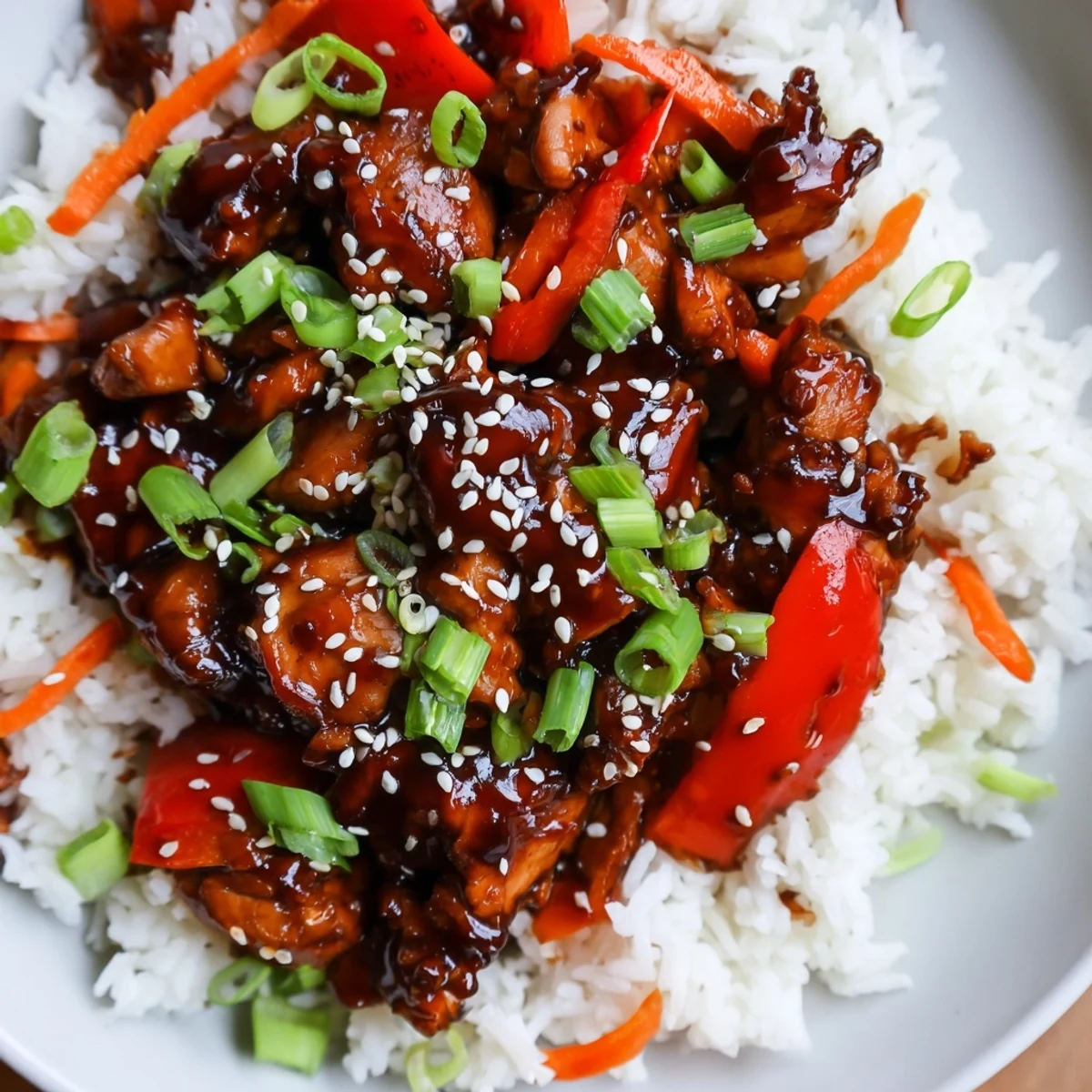
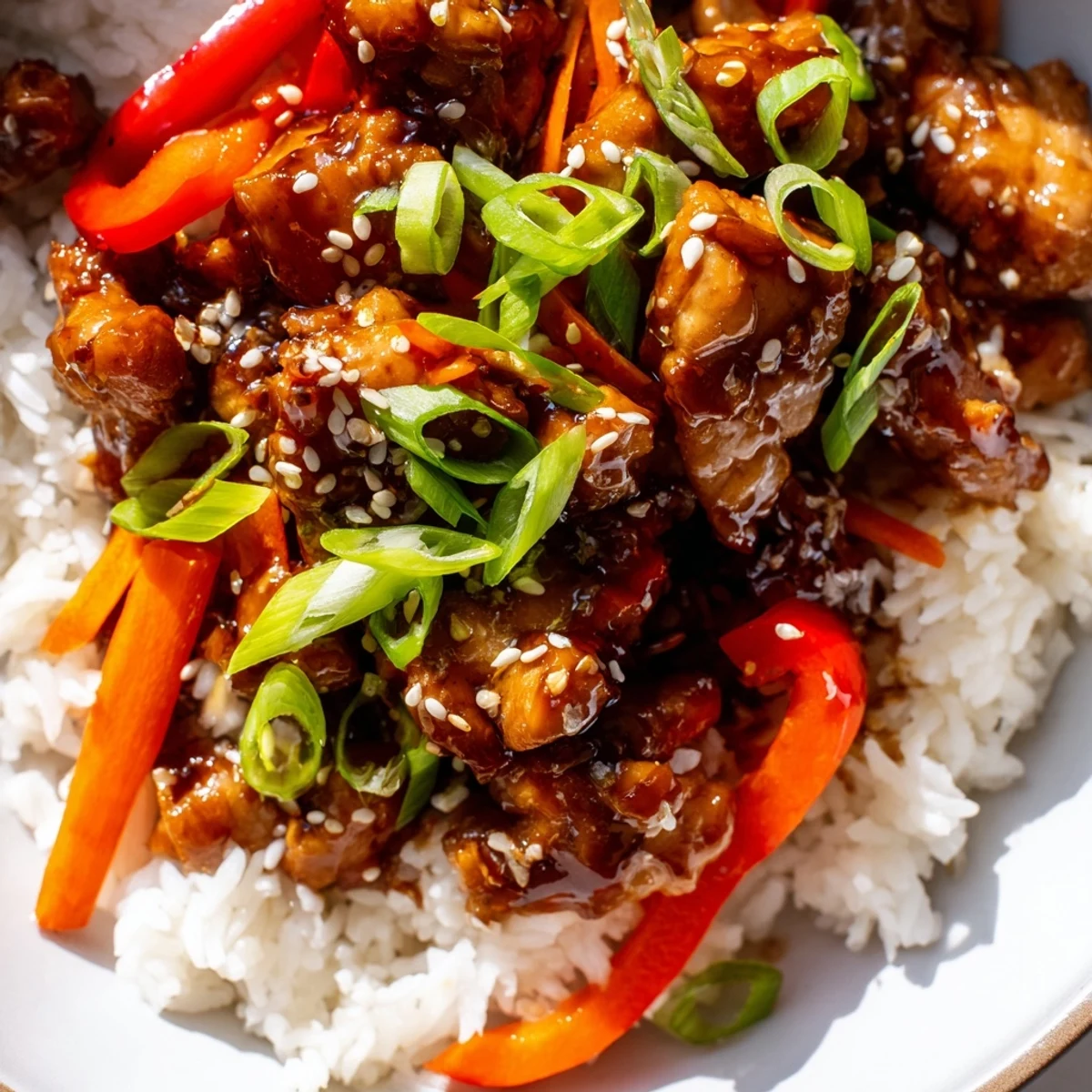
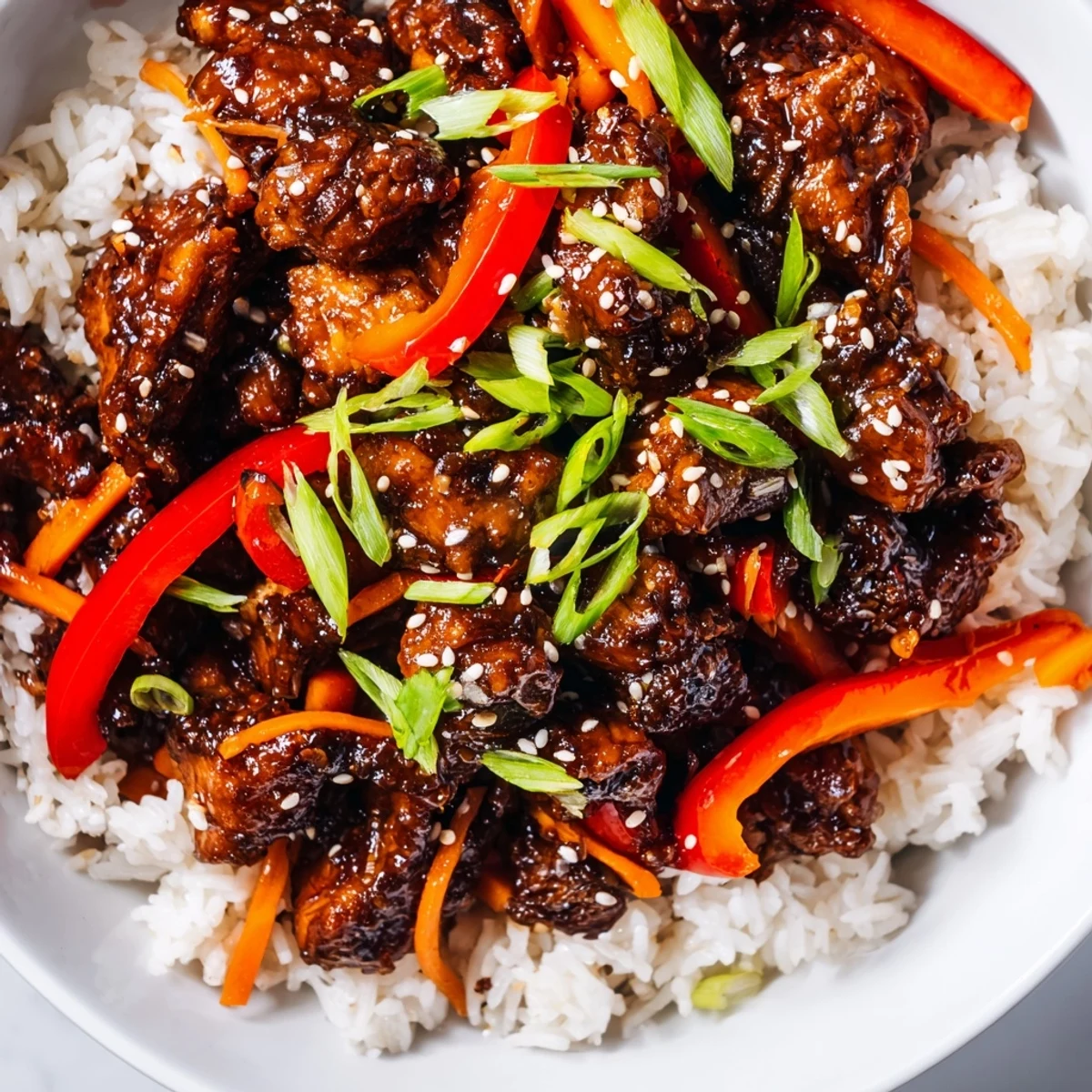
Save This satisfying skillet dish combines marinated chicken thighs with aromatic rice and crisp vegetables in a single pan. The Korean-inspired marinade features soy sauce, sesame oil, honey, garlic, and ginger for authentic flavor. Everything simmers together, allowing the rice to absorb all the savory juices while the chicken stays tender.
Perfect for busy weeknights, this complete meal comes together in just 50 minutes with minimal cleanup. Top with fresh green onions and toasted sesame seeds for added texture and crunch. Serve alongside kimchi or pickled vegetables for a traditional touch.
The first time I made this Korean BBQ chicken skillet, my tiny apartment smelled so incredible that my neighbor knocked on my door to ask what restaurant I'd ordered from. I've been obsessed with the combination of sweet and savory Korean flavors ever since a friend introduced me to bulgogi at a late-night dinner spot in college.
Last winter when my sister came over complaining about being exhausted from work, I threw this together in twenty minutes. She took one bite and immediately asked for the recipe, saying it was exactly the kind of comfort food she needed but never had time to make herself.
Ingredients
- Chicken thighs: Boneless thighs stay juicier than breast through the longer cooking time and handle high-heat searing beautifully
- Korean BBQ sauce: Look for bulgogi sauce or make your own with soy, pear, and sesame for that authentic sweet-savory depth
- Sesame oil: Toasted sesame oil adds that distinctive nutty aroma that makes Korean food so crave-worthy
- Honey: Balances the salty soy sauce and helps create that gorgeous caramelized glaze on the chicken
- Fresh ginger and garlic: The aromatic foundation that gives this dish its irresistible fragrance
- Vegetables: Bell pepper, onion, and carrots add color, crunch, and sweetness to complement the rich meat
- Jasmine rice: Short-grain or jasmine rice becomes perfectly tender and absorbs the cooking liquid beautifully
- Chicken broth: Low-sodium broth lets you control the salt level while still cooking the rice with incredible flavor
Instructions
- Marinate the chicken:
- Combine chicken with Korean BBQ sauce, soy sauce, sesame oil, honey, garlic, and ginger in a bowl. Let it sit for at least 10 minutes while you prep the vegetables, or refrigerate for up to 4 hours for deeper flavor.
- Sear the chicken:
- Heat a splash of oil in a large deep skillet over medium-high heat. Add the marinated chicken pieces and cook for 3-4 minutes until they develop a rich brown color on the outside.
- Add the vegetables:
- Toss in the diced onion, sliced bell pepper, and carrots. Sauté for 2-3 minutes until they start to soften and release their aroma.
- Coat the rice:
- Stir in the rinsed rice, mixing thoroughly so every grain gets coated in the flavorful juices and oil from the pan.
- Simmer everything together:
- Pour in the chicken broth and bring to a bubble. Reduce heat to low, cover tightly, and let simmer for 20-25 minutes until the rice is tender and has absorbed all the liquid.
- Rest and fluff:
- Remove from heat and keep the lid on for 5 minutes. This crucial step lets the rice finish steaming evenly. Fluff gently with a fork before serving.
- Garnish and serve:
- Top generously with sliced green onions and toasted sesame seeds. Serve piping hot with kimchi or pickled vegetables on the side for that authentic Korean meal experience.
 Save
Save This recipe has become my go-to for potlucks because it travels well and feeds a crowd without breaking the bank. Last month I made it for a friend's birthday dinner, and everyone kept asking when I was going to open a restaurant.
Making It Your Own
I love adding gochujang to the marinade when I want extra heat, and sometimes I'll throw in baby spinach or snap peas during the last few minutes of cooking for more color. The recipe is incredibly forgiving and adapts well to whatever vegetables you have in the crisper drawer.
Rice Tips That Matter
Always rinse your rice until the water runs clear, which removes excess starch and prevents gummy results. I learned this the hard way after making what my husband lovingly called Korean rice pudding. Also, short-grain rice will give you that sticky texture perfect for picking up with chopsticks.
Serving Suggestions
A side of quick-pickled cucumbers with vinegar and sesame seeds cuts through the richness beautifully. I also like to serve this with a simple salad of crisp lettuce, cucumber, and more sesame dressing. The leftovers make an incredible lunch the next day.
- Set out small bowls of extra gochujang and sesame oil for guests to customize their spice level
- Warm your serving bowls in the oven so dinner stays hot longer at the table
- Cook the rice a few minutes longer if you prefer it softer and more porridge-like
 Save
Save There's something deeply satisfying about a meal that comes together in one pan but tastes like you spent hours in the kitchen. I hope this becomes one of your weeknight staples too.
Recipe FAQs
- → Can I use brown rice instead of white rice?
-
Brown rice works but requires additional liquid and longer cooking time. Increase broth by ½ cup and simmer for 40-45 minutes, checking periodically to prevent sticking.
- → What vegetables work best in this dish?
-
Bell peppers, carrots, and onions are classic choices. You can also add snap peas, zucchini, broccoli, or bok choy. Adjust cooking times based on vegetable hardness.
- → How spicy is this dish?
-
The base version is mild with sweet and savory flavors. Add gochujang, sriracha, or red pepper flakes to the marinade if you prefer heat. Start with 1 teaspoon and adjust to taste.
- → Can I make this ahead of time?
-
Yes, this reheats beautifully. Store in an airtight container in the refrigerator for up to 4 days. Add a splash of water or broth when reheating to refresh the rice.
- → Is it possible to freeze this dish?
-
Freeze portions in freezer-safe containers for up to 3 months. Thaw overnight in the refrigerator before reheating. The texture may be slightly softer after freezing.
- → Can I use chicken breast instead of thighs?
-
Chicken breast works well but may dry out more easily. Reduce cooking time slightly and check for doneness earlier. Consider pounding the breast to even thickness.