
 Save
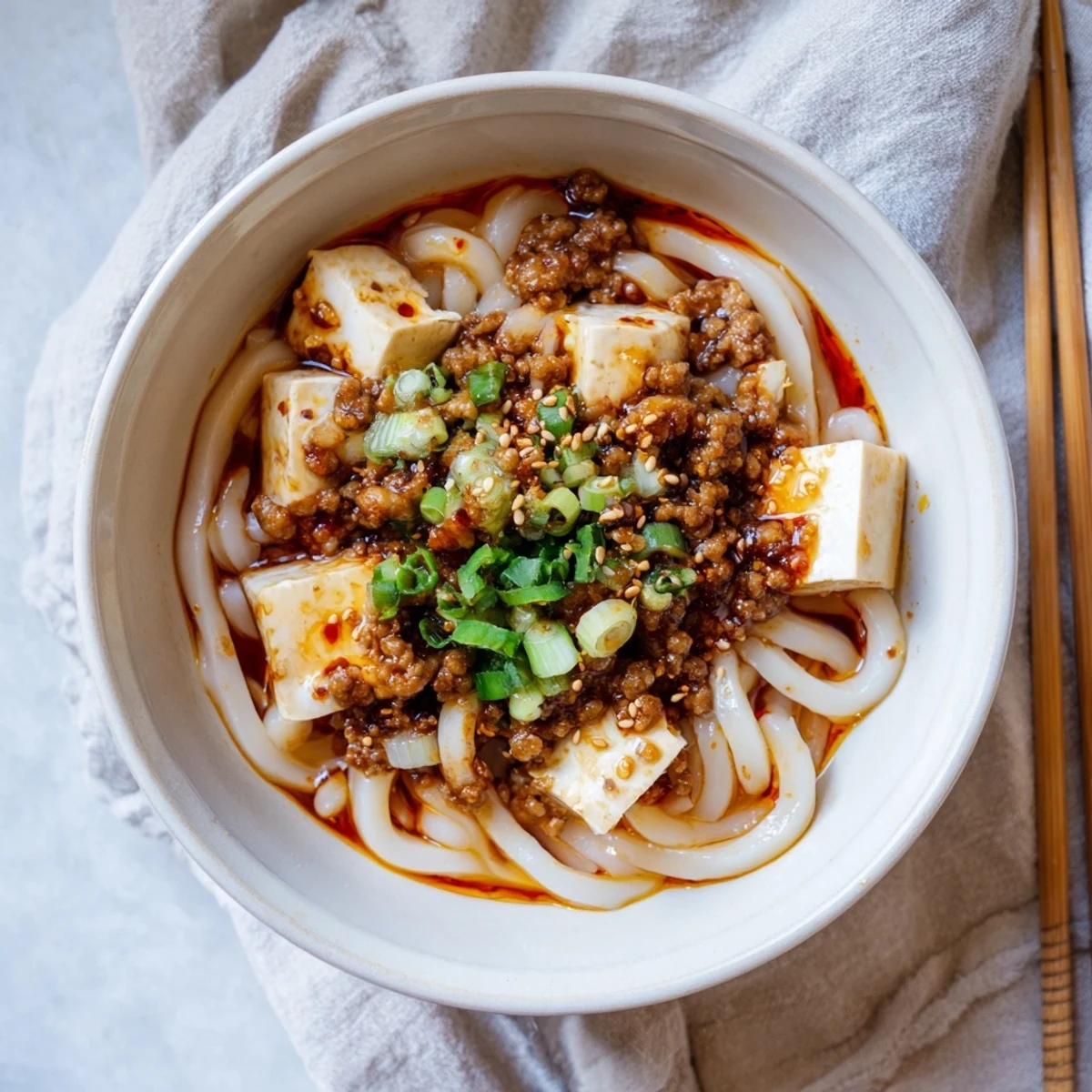
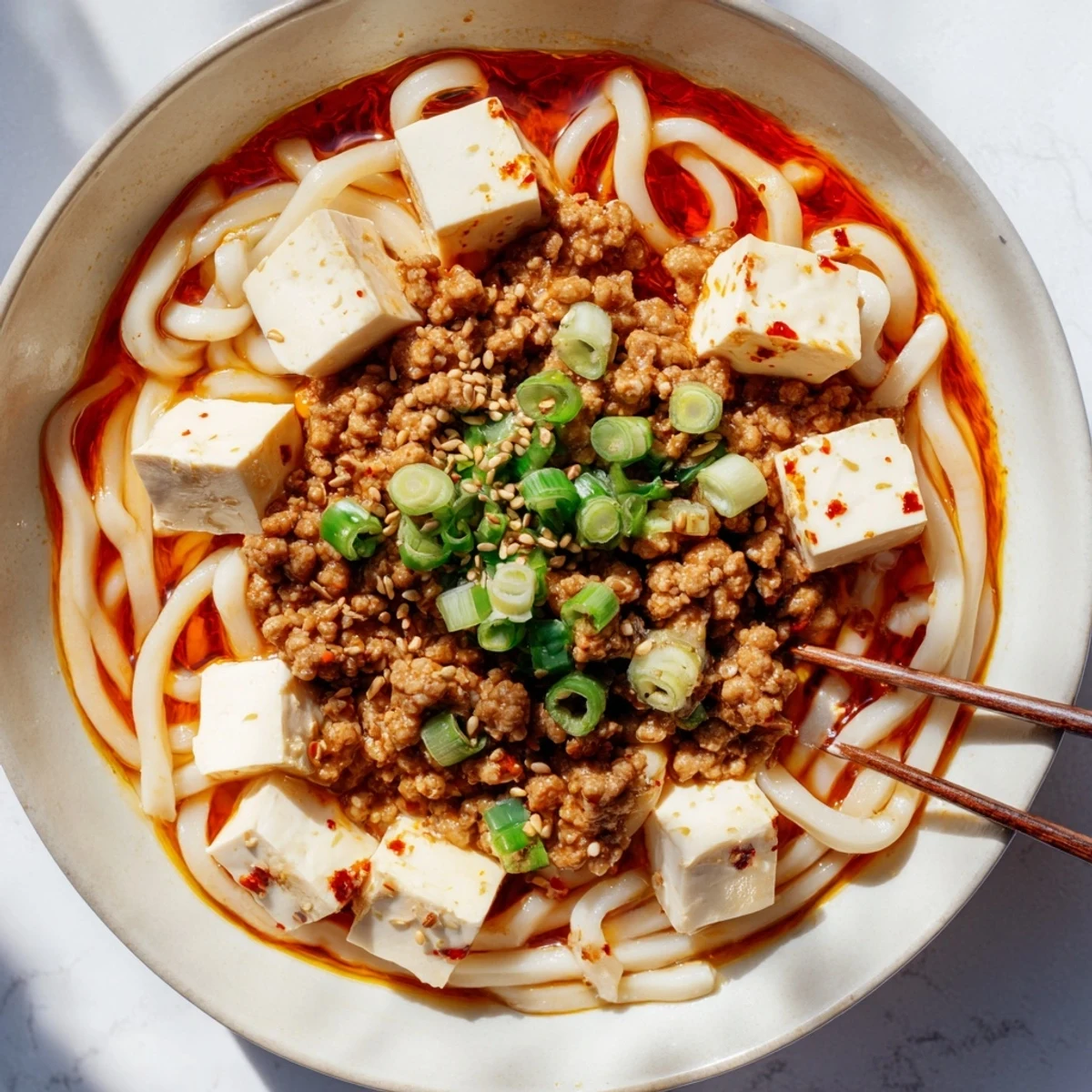
Save This fusion dish brings together the best of Chinese and Japanese cuisines, featuring soft tofu cubes swimming in a spicy, aromatic doubanjiang-based sauce. The combination of Sichuan peppercorns, garlic, and ginger creates layers of flavor, while thick udon noodles provide satisfying chew. Perfect for those who crave bold Asian flavors, this dish comes together in just over 30 minutes and serves four people generously.
The first time I combined mapo tofu with udon noodles was during a rainy Tuesday when I couldn't decide between ordering takeout Chinese or Japanese. My kitchen experiment turned into something extraordinary that I now crave weekly. The way the thick, spicy sauce clings to those chewy udon strands creates this perfect harmony of textures. My roommates smelled the Sichuan peppercorns toasting from down the hallway.
Last winter, I served this at a small dinner party when my friend from Chengdu visited. She took one bite and laughed, saying her grandmother would either be horrified or secretly impressed. The way the udon soaks up every drop of that aromatic sauce makes it impossible to stop eating. Now she texts me every time she makes her own version.
Ingredients
- 300 g soft tofu, cubed: Silken tofu creates that luxurious mouthfeel that makes mapo tofu so comforting, but extra firm works too if you prefer more structure
- 200 g ground pork: The pork adds richness and body to the sauce, though plant-based mince surprisingly holds up beautifully here
- 400 g fresh udon noodles: Fresh udon has that perfect chewy texture that frozen or dried versions just cannot replicate
- 2 tablespoons vegetable oil: A neutral oil lets the spices and aromatics shine without competing flavors
- 3 cloves garlic, minced: Fresh garlic is non-negotiable here, jarred garlic lacks the punch this dish needs
- 1 tablespoon fresh ginger, minced: Ginger provides that warm backbone that cuts through the rich spices
- 2 spring onions, sliced: Separate the whites for cooking and greens for garnish to get the most flavor from each part
- 1 tablespoon Sichuan peppercorns, lightly crushed: These create the signature numbing sensation that makes mapo tofu unforgettable
- 2 tablespoons doubanjiang: This fermented chili bean paste is the soul of the dish, find a good quality brand
- 1 tablespoon soy sauce: Adds that essential salty depth and rich color to the sauce
- 1 tablespoon oyster sauce: Mushroom sauce works perfectly for vegetarians and actually adds great umami
- 1 tablespoon Shaoxing wine: Dry sherry makes a decent substitute if you cannot find Shaoxing wine
- 1 teaspoon sugar: Just enough to balance the heat and bring all the flavors together
- 1 cup low-sodium broth: Chicken or vegetable both work beautifully, just avoid overly salty versions
- 1 tablespoon cornstarch mixed with 2 tablespoons water: Creates that glossy restaurant-style sauce consistency
- Chopped green onions, sesame seeds, chili oil: These garnishes add fresh contrast and a final pop of flavor
Instructions
- Prep your station:
- Cube your tofu carefully, mince the garlic and ginger, slice those spring onions separating whites from greens, and get that water boiling for noodles first so everything is ready when you need it
- Toast the peppercorns:
- Heat your oil in a wok or large skillet over medium heat, add those Sichuan peppercorns and let them toast for about 30 seconds until you smell their citrusy aroma filling your kitchen
- Build the base:
- Add your garlic, ginger, and the white parts of your spring onions to that fragrant oil, sautéing for just a minute until everything smells incredible
- Cook the protein:
- Crank the heat to medium-high, add your ground pork or plant-based mince and break it apart as it cooks until browned and crispy in spots
- Activate the paste:
- Stir in your doubanjiang and let it cook for 1 to 2 minutes until the oil turns that beautiful deep red color and smells intensely aromatic
- Add the liquids:
- Pour in your soy sauce, oyster sauce, Shaoxing wine, and sugar, mixing everything until well combined and bubbling
- Simmer with tofu:
- Gently add those tofu cubes and broth, letting everything simmer for 5 minutes while occasionally spooning that sauce over the tofu
- Thicken it up:
- Stir in your cornstarch slurry and let it simmer for another 2 to 3 minutes until the sauce thickens into something glossy and spoonable
- Cook the noodles:
- While your sauce bubbles, drop those fresh udon noodles into boiling water and cook according to package directions, then drain and divide into bowls
- Bring it together:
- Spoon generous portions of that spicy mapo tofu over your noodles, then top with green onions, sesame seeds, and chili oil if you want extra heat
 Save
Save This recipe became my go-to comfort food after a particularly rough week at work when I needed something that felt like a warm hug. Now whenever friends come over feeling down, I automatically start reaching for the Sichuan peppercorns and udon. There is something about this dish that fixes just about any bad day.
Getting the Sauce Consistency Right
The secret to that restaurant-style glossy sauce is adding the cornstarch slurry slowly while stirring constantly. I learned the hard way that dumping it in all at once creates weird gelatinous lumps. The sauce should coat the back of a spoon and drip slowly rather than running off like water.
Noodle Timing Matters
Fresh udon noodles cook incredibly fast, usually just 1 to 2 minutes. I accidentally overcooked them once and they turned into mush that could not hold up to the hearty sauce. Now I always taste one right before draining to ensure they still have that perfect chewy bounce.
Building Heat Levels
Start with less doubanjiang if you are sensitive to spice, then taste and add more as needed. The heat builds as it cooks, so what seems mild at first can become quite intense. The Sichuan peppercorns provide a different sensation than chili heat, that numbing tingle on your tongue.
- Remove the toasted peppercorns after infusing the oil if you prefer less numbing intensity
- Let the dish rest for 5 minutes before serving to allow flavors to meld together
- Have extra broth nearby in case the sauce becomes too thick while standing
 Save
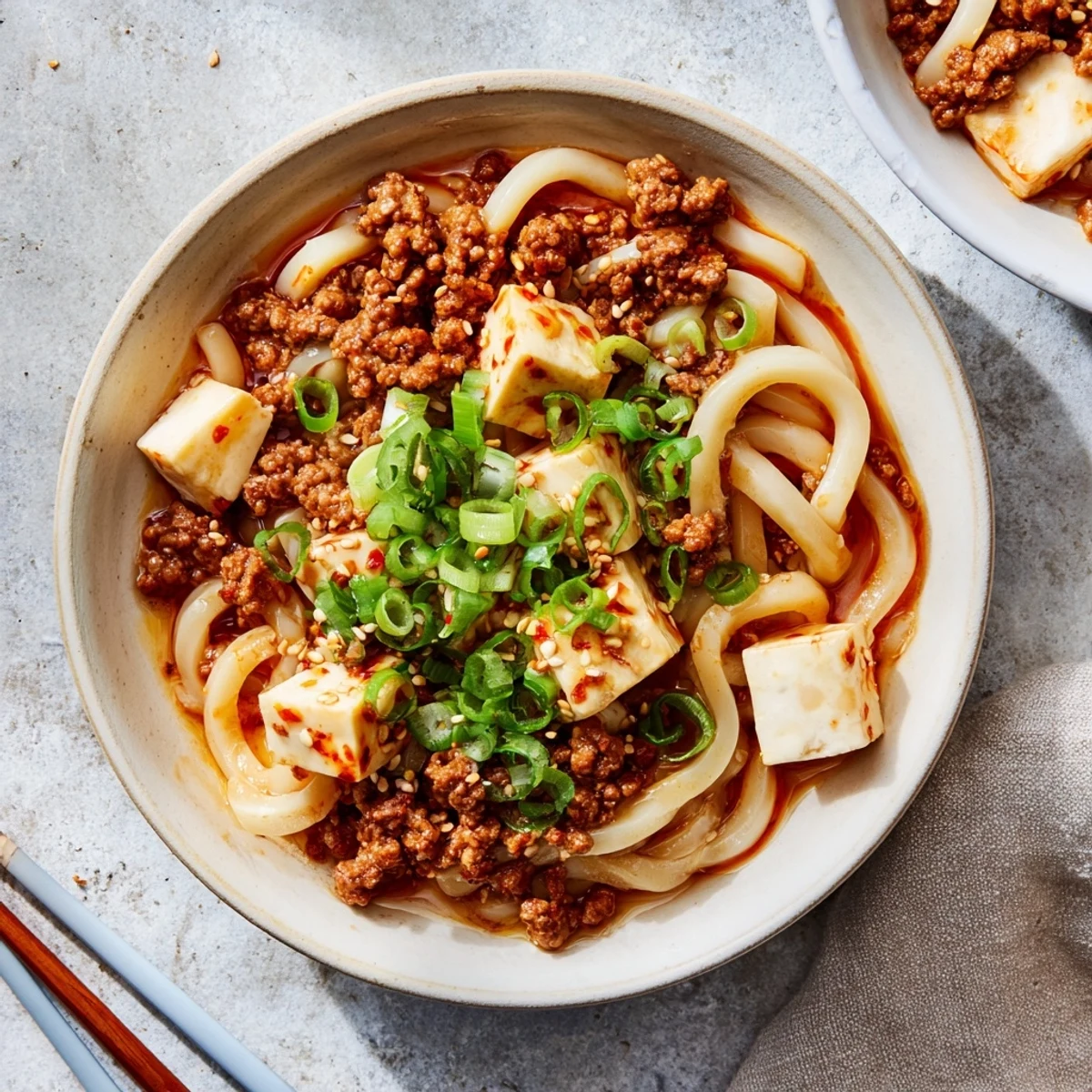
Save There is nothing quite like slurping up those spice-coated udon noodles while the sauce warms you from the inside out. This dish has become my answer to almost everything, from cold winter nights to impromptu dinner gatherings.
Recipe FAQs
- → Can I make this dish vegetarian?
-
Yes, simply substitute ground pork with plant-based mince and replace oyster sauce with mushroom sauce. The flavors remain equally delicious and satisfying.
- → How spicy is mapo tofu udon?
-
The heat level is medium to spicy, adjustable by the amount of doubanjiang used. You can increase or decrease the spice to your preference by adding more chili paste or chili oil.
- → What type of tofu works best?
-
Soft tofu is ideal for its delicate texture that absorbs the spicy sauce beautifully. Firm tofu can be used if you prefer chunks that hold their shape better during cooking.
- → Can I use dried udon noodles?
-
Fresh udon noodles provide the best chewy texture, but dried udon works well too. Just follow package instructions for cooking time and adjust accordingly.
- → How do I store leftovers?
-
Store the mapo tofu and noodles separately in airtight containers in the refrigerator for up to 3 days. Reheat gently and combine just before serving for best results.
- → What can I serve with this dish?
-
This bowl is complete on its own, but you can pair it with simple steamed bok choy, cucumber salad, or a light Japanese-style clear soup for a fuller meal.