
 Save
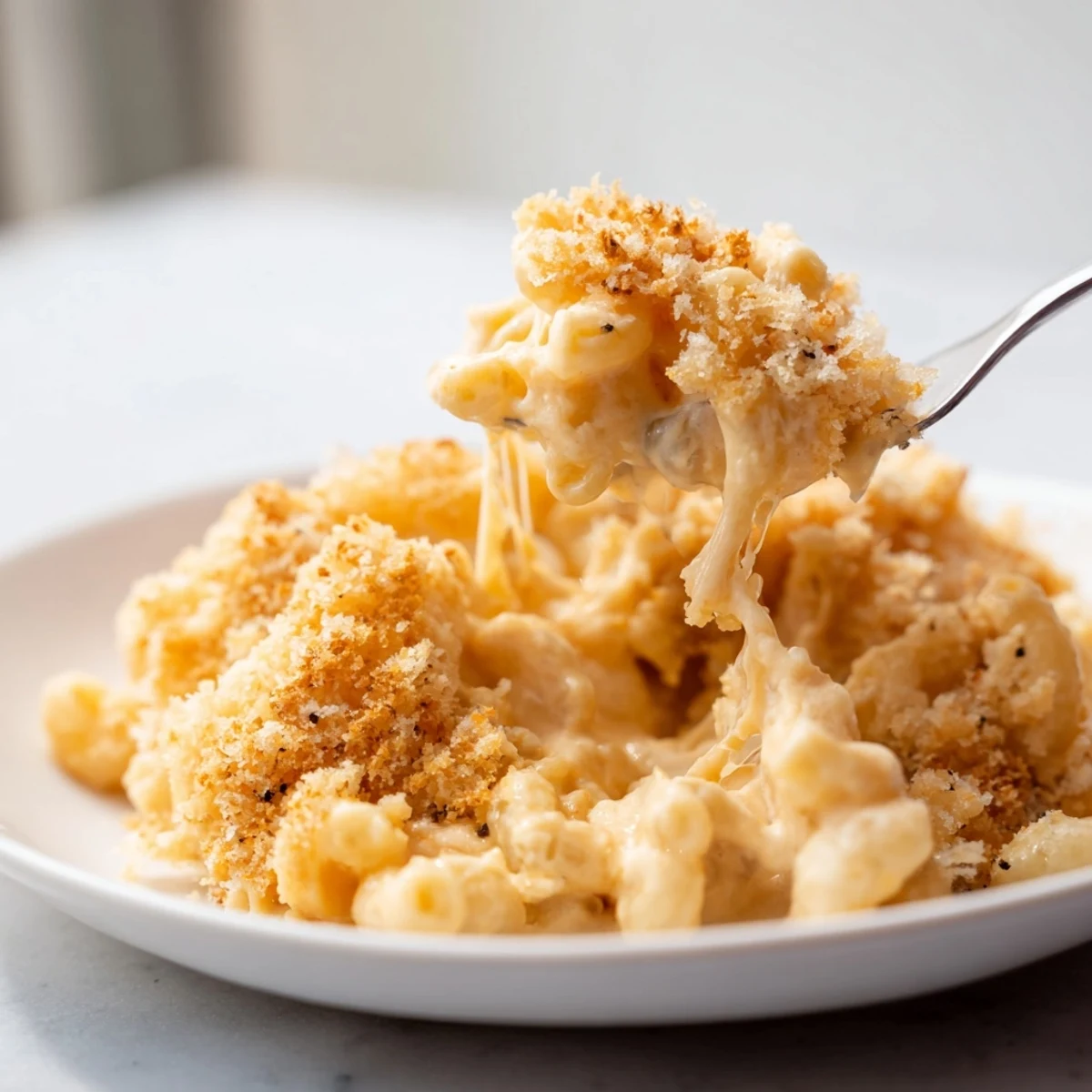
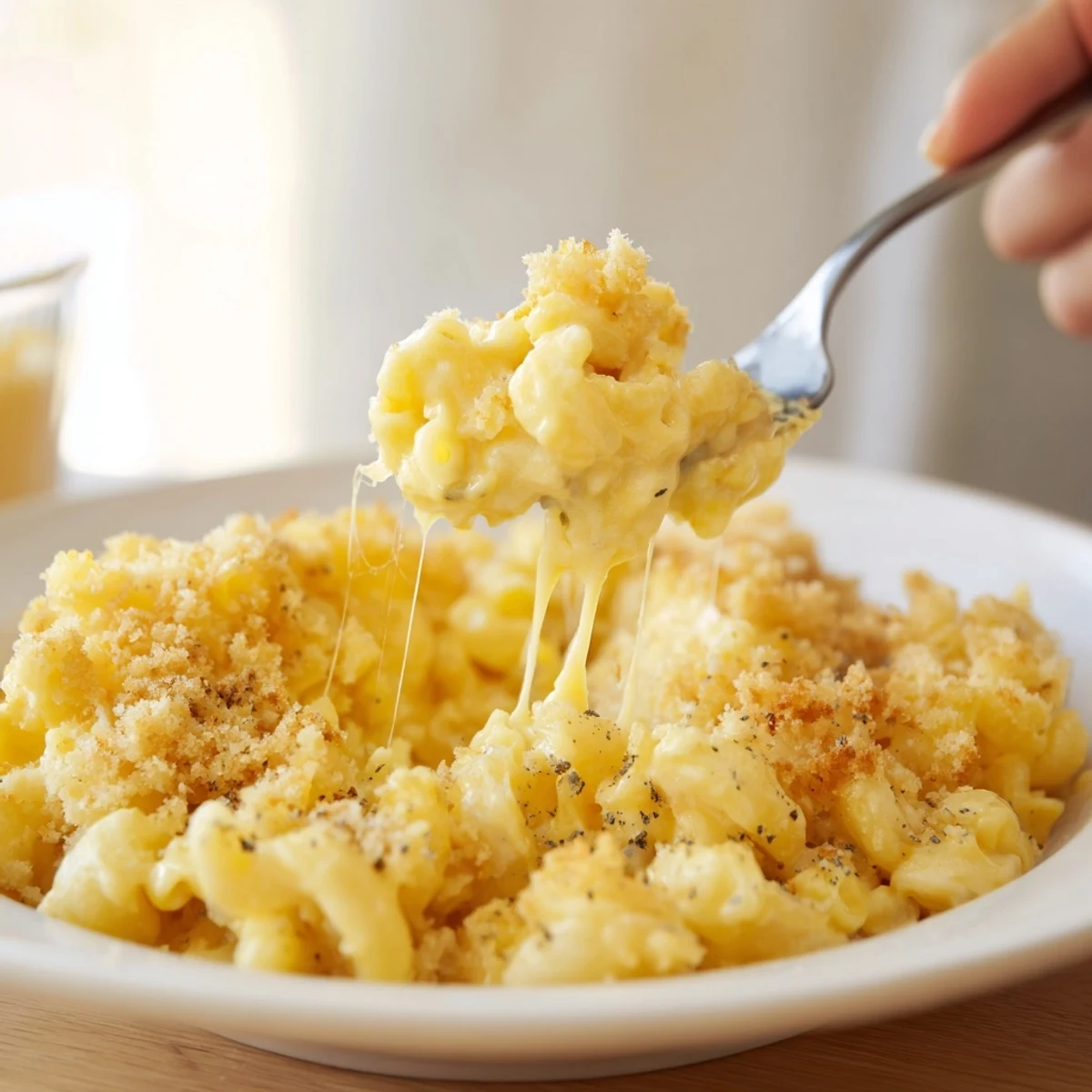
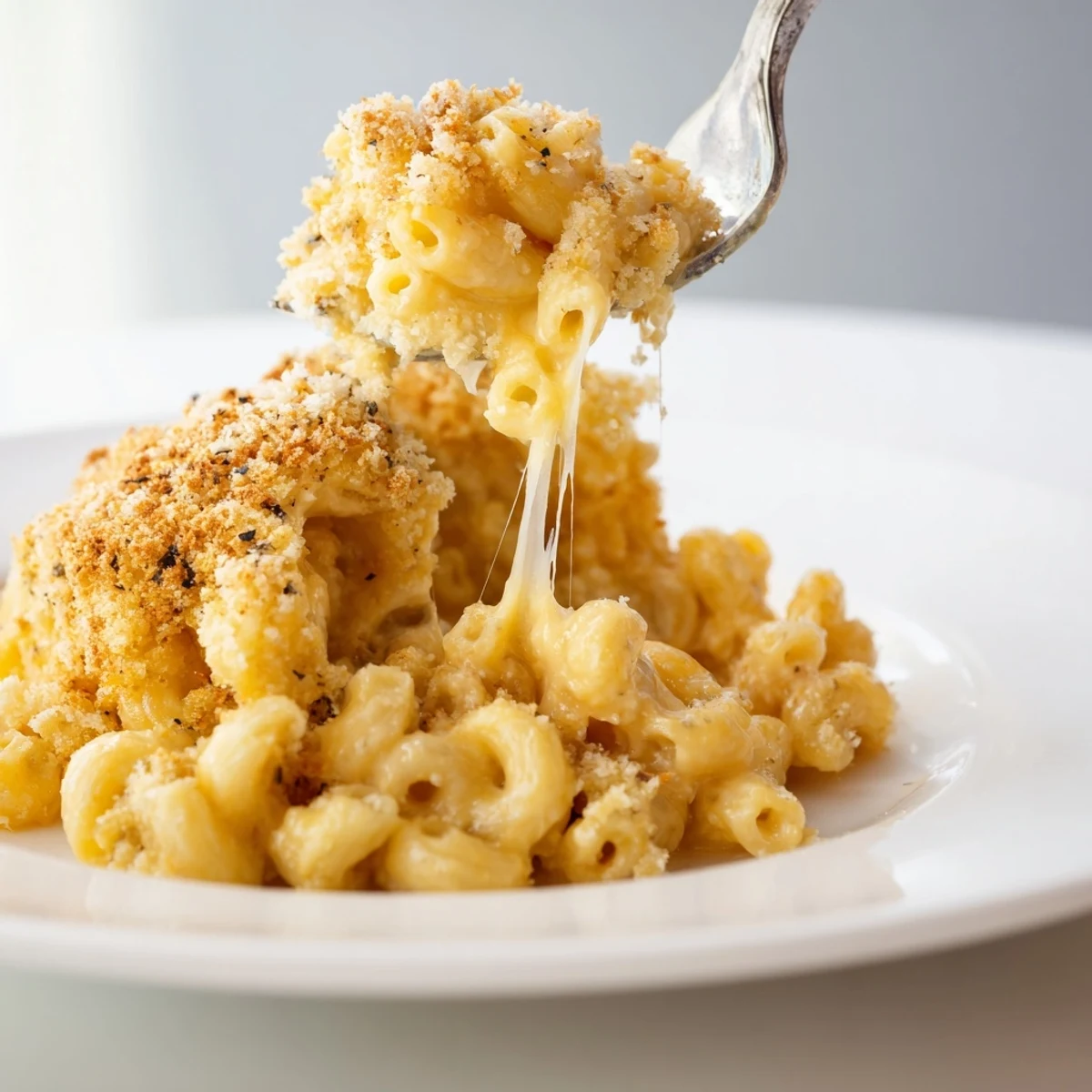
Save This creamy mac and cheese pairs al dente elbow pasta with a buttery roux and whole milk to create a smooth, velvety cheddar sauce. Sharp and mild cheddars melt into the sauce with a touch of Dijon for depth. Stir the pasta into the sauce, or transfer to a baking dish, top with buttered breadcrumbs and bake until golden. Easy to customize with bacon, sautéed onions, or alternate cheeses; gluten-free swaps are noted.
The exhaust fan above my stove was working overtime the evening my roommate walked in, dropped her bag, and announced that her grandmother had always said you could judge a cook by their mac and cheese. She said it casually, but it landed like a challenge. I had never made it from scratch before, only ever torn open blue boxes with that neon powder. That night I burned the roux, curdled the milk, and ended up ordering pizza, but something about the ambition stuck with me.
Months later, on a rainy Sunday with nothing else to do, I tried again and finally got the sauce to that glossy, nap worthy consistency that makes you want to eat it straight from the pot with a wooden spoon.
Ingredients
- Elbow macaroni (300 g): The classic shape holds sauce in every little curve, but shells work beautifully too if that is what you have.
- Whole milk (2 cups): Full fat milk makes the sauce luxuriously creamy; skim milk will leave you wondering what went wrong.
- Unsalted butter (2 tbsp): Gives the roux its toasty foundation and adds richness without making the sauce greasy.
- All purpose flour (2 tbsp): This is your thickening agent, and measuring carefully here prevents a thin or gummy sauce.
- Sharp cheddar cheese (1 cup grated): Brings a bold tangy punch that carries the flavor of the entire dish.
- Mild cheddar cheese (1 cup grated): Balances the sharp cheddar with smooth melty sweetness.
- Dijon mustard (1/2 tsp): A small amount that does not make it taste like mustard but deepens the cheese flavor in a way people cannot quite identify.
- Salt and black pepper: Season gradually and taste as you go because cheese already brings a lot of salt.
- Breadcrumbs (1/4 cup, optional): Creates that irresistible crunchy top if you decide to bake it.
- Melted butter (1 tbsp, optional): Tossed with breadcrumbs for a golden crust.
- Parmesan cheese (2 tbsp grated, optional): Adds a savory nutty finish to the topping.
Instructions
- Get your oven ready:
- If you plan to bake it, preheat to 180 degrees Celsius (350 degrees Fahrenheit) and grease your baking dish now so you do not forget later.
- Cook the pasta:
- Boil the macaroni in salted water until just al dente, meaning it still has a slight bite, because it will cook a little more in the sauce.
- Build the roux:
- Melt the butter in a saucepan over medium heat, then whisk in the flour and stir constantly for one minute until it smells lightly toasted and looks pale golden.
- Create the base:
- Pour in the milk gradually while whisking so no lumps form, then let it simmer gently for about four to five minutes until it coats the back of a spoon.
- Make it cheesy:
- Reduce the heat to low and stir in both cheddars and the Dijon mustard, keeping the motion smooth and patient until every last bit of cheese has melted into a silky sauce.
- Bring it all together:
- Fold the drained pasta into the sauce, making sure every piece is coated, and at this point you could serve it stovetop style and nobody would complain.
- Bake if you want crunch:
- Transfer to your prepared dish, scatter the breadcrumb butter and parmesan mixture over the top, and bake for fifteen to twenty minutes until the edges are bubbling and the top is beautifully bronzed.
 Save
Save Somewhere between the second and third time I made this, a friend brought over a bottle of wine and we stood in the kitchen eating it out of the pot with big spoons, laughing about how we had completely forgotten to set the table.
Mix Ins and Variations
Once you have the base sauce mastered, this dish becomes a canvas for whatever is in your fridge or pantry. Crispy bacon bits folded in at the last second add a smoky crunch that pairs perfectly with the creamy sauce. Caramelized onions bring sweetness, a few drops of hot sauce wake everything up, and a handful of frozen peas makes it feel like a complete meal.
Cheese Blends Worth Trying
Swapping half the cheddar for Gruyere introduces a nutty complexity that feels almost elegant, like something you would serve at a dinner party without telling anyone how simple it was. Monterey Jack melts into an impossibly smooth pool and plays well with a pinch of smoked paprika. I once found a stray wedge of fontana in the back of the cheese drawer and threw it in on a whim, and it became my favorite version of this recipe for an entire winter.
Gluten Free and Storage Notes
Gluten free pasta and a one to one gluten free flour blend work reliably here, though the sauce may need an extra minute of simmering to thicken properly. Leftovers keep well in an airtight container in the fridge for up to three days and reheat beautifully with a splash of milk stirred in. For freezing, portion it into individual containers before the sauce has a chance to separate, and thaw overnight in the fridge before reheating gently on the stove.
- Stir the sauce constantly when adding cheese to prevent clumping.
- Let the baked version rest for five minutes before serving so the sauce settles.
- Always salt your pasta water generously because it is your one chance to season the pasta itself.
 Save
Save This is the kind of recipe that stays with you, the one you reach for when someone needs a warm plate of comfort and nothing else will do. Make it once and it becomes yours forever.
Recipe FAQs
- → How do I prevent the sauce from becoming grainy?
-
Whisk the roux and milk thoroughly over moderate heat and simmer until thickened before adding cheese off the heat. Add cheese slowly and stir gently to melt evenly; overheating can cause separation.
- → Can I swap the cheeses?
-
Yes. Blend sharp and mild cheddars for flavor and meltability. Gruyère, Monterey Jack, or fontina work well—adjust quantities to maintain a smooth texture and balanced taste.
- → Which pasta shapes work best?
-
Short tubular shapes like elbow macaroni, cavatappi, or shells hold sauce nicely. Rigatoni or penne are good for chunkier variations; cook until just al dente so they don’t over-soften when mixed.
- → How should I bake it for a crisp topping?
-
Combine cooked pasta and sauce in a greased dish, mix breadcrumbs with melted butter and grated parmesan, sprinkle on top, and bake at 180°C (350°F) for 15–20 minutes until golden and bubbly.
- → How can I make a gluten-free version?
-
Use gluten-free pasta and substitute the all-purpose flour in the roux with a 1:1 gluten-free flour blend or cornstarch slurry. Check all labels for cross-contamination warnings.
- → What’s the best way to reheat leftovers?
-
Gently reheat on the stovetop with a splash of milk over low heat, stirring until creamy. For baked leftovers, cover with foil and warm in the oven at 160°C (325°F) until heated through.