
 Save
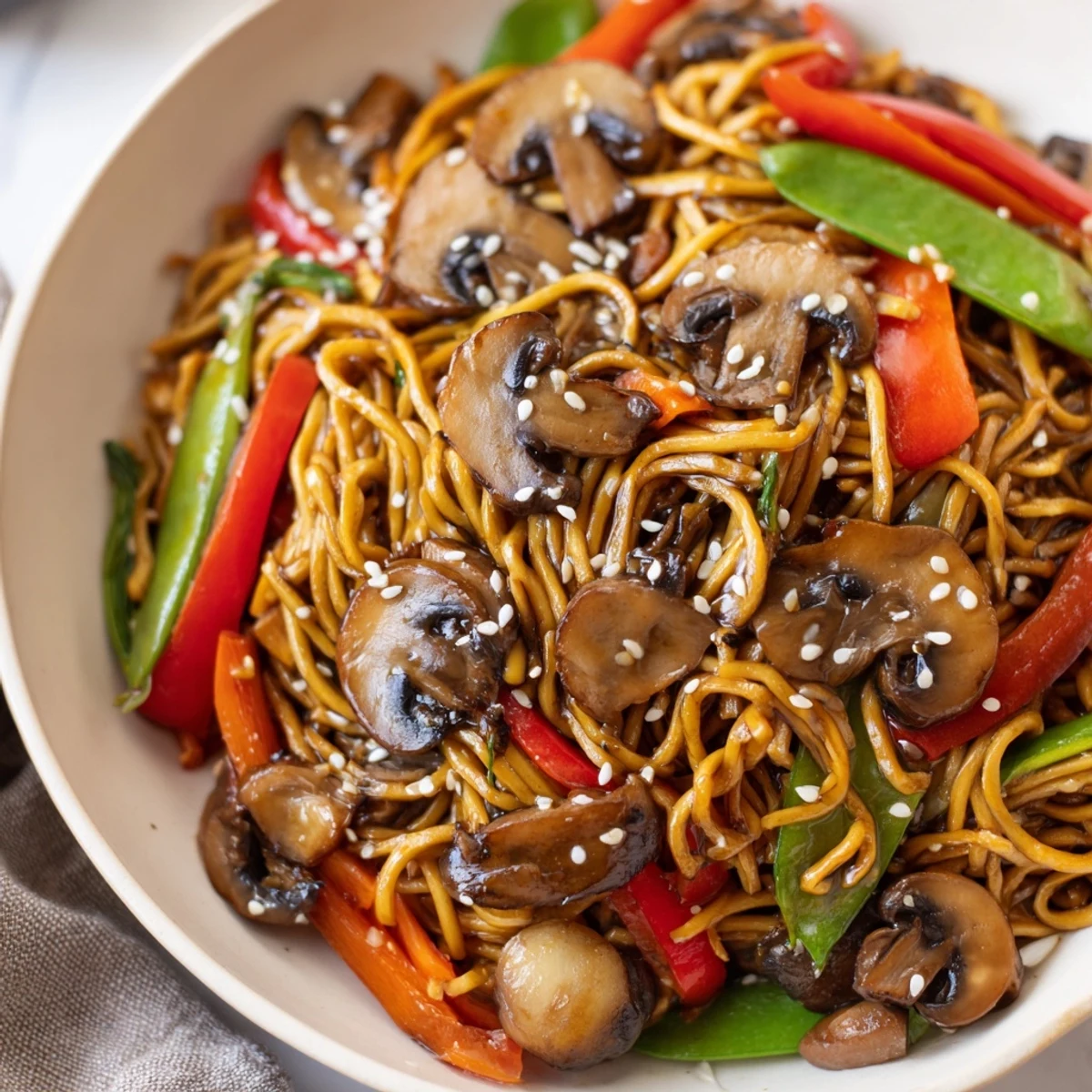
Save This aromatic noodle dish combines tender egg noodles with earthy mushrooms, colorful bell peppers, crunchy snap peas, and aromatic garlic for a satisfying vegetarian main course. Ready in just 30 minutes, it delivers restaurant-quality flavors with a simple sauce blend of soy, vegetarian oyster sauce, and sesame oil that coats every strand perfectly.
Last Tuesday I found myself staring at a near-empty fridge after back-to-back meetings, craving something that felt like real food but wouldn't take an hour to make. That's when I threw together this chow mein, and now my roommate asks for it every week. The mushrooms get this incredible meaty depth when they hit the hot wok, and the whole kitchen fills with this garlicky aroma that makes everyone wander in asking what's cooking.
I made this for my sister when she was recovering from surgery and couldn't handle heavy food. She literally asked for the recipe before she'd even finished her first bowl, sending me a text at 10 PM that same night saying she'd already made it for herself. The best part is watching everyone's faces when they realize how much flavor comes from such simple ingredients.
Ingredients
- 250 g dried egg noodles: These soak up the sauce beautifully and have just the right chewiness
- 250 g mushrooms, sliced: Button or cremini both work, and they develop this amazing umami richness when properly seared
- 1 red bell pepper, thinly sliced: Adds sweetness and that gorgeous pop of color against the noodles
- 1 medium carrot, julienned: Cut these thin so they cook through but still keep their crunch
- 100 g sugar snap peas, trimmed: They bring fresh sweetness and a satisfying snap in every bite
- 2 spring onions, sliced: One goes into the stir-fry, save the prettiest pieces for topping
- 4 cloves garlic, finely minced: Don't be shy with garlic here, it's the backbone of the whole dish
- 2 tbsp soy sauce: Your basic salty base
- 1 tbsp dark soy sauce: This gives the noodles that beautiful restaurant-style caramel color
- 1 tbsp vegetarian oyster sauce: Mushroom sauce works too and adds incredible depth
- 1 tbsp sesame oil: A little goes into the noodles to prevent sticking and some into the sauce
- 1 tsp sugar: Just enough to balance all the salty elements
- ½ tsp ground white pepper: White pepper has this subtle warmth that black pepper can overpower
- 2 tbsp vegetable oil: High heat cooking oil that won't smoke or burn
- 1 tbsp toasted sesame seeds: For that final restaurant-style garnish
Instructions
- Cook the noodles:
- Boil them according to package directions, then rinse under cold water to stop cooking and toss with a tiny splash of sesame oil so they don't turn into a sticky clump.
- Mix your sauce:
- Whisk together the soy sauce, dark soy sauce, vegetarian oyster sauce, sugar, white pepper, and remaining sesame oil in a small bowl until the sugar dissolves completely.
- Get the wok smoking hot:
- Heat your vegetable oil in a large wok or skillet over high heat until it shimmers, then add the garlic and stir for exactly 30 seconds until it's fragrant but not brown.
- Sear the mushrooms:
- Add the sliced mushrooms and let them cook undisturbed for a minute before tossing, repeating until they're golden and have released all their moisture, about 3 to 4 minutes.
- Add the crunch:
- Toss in the bell pepper, carrot, and sugar snap peas, stir-frying constantly for 2 to 3 minutes until the vegetables are bright and crisp-tender.
- Bring it all together:
- Add the cooked noodles and pour that sauce you made over everything, using tongs or chopsticks to toss for 2 to 3 minutes until every strand is coated and glistening.
- Finish and serve:
- Stir in most of the spring onions right at the end, then serve immediately topped with the reserved green onions and those toasted sesame seeds.
 Save
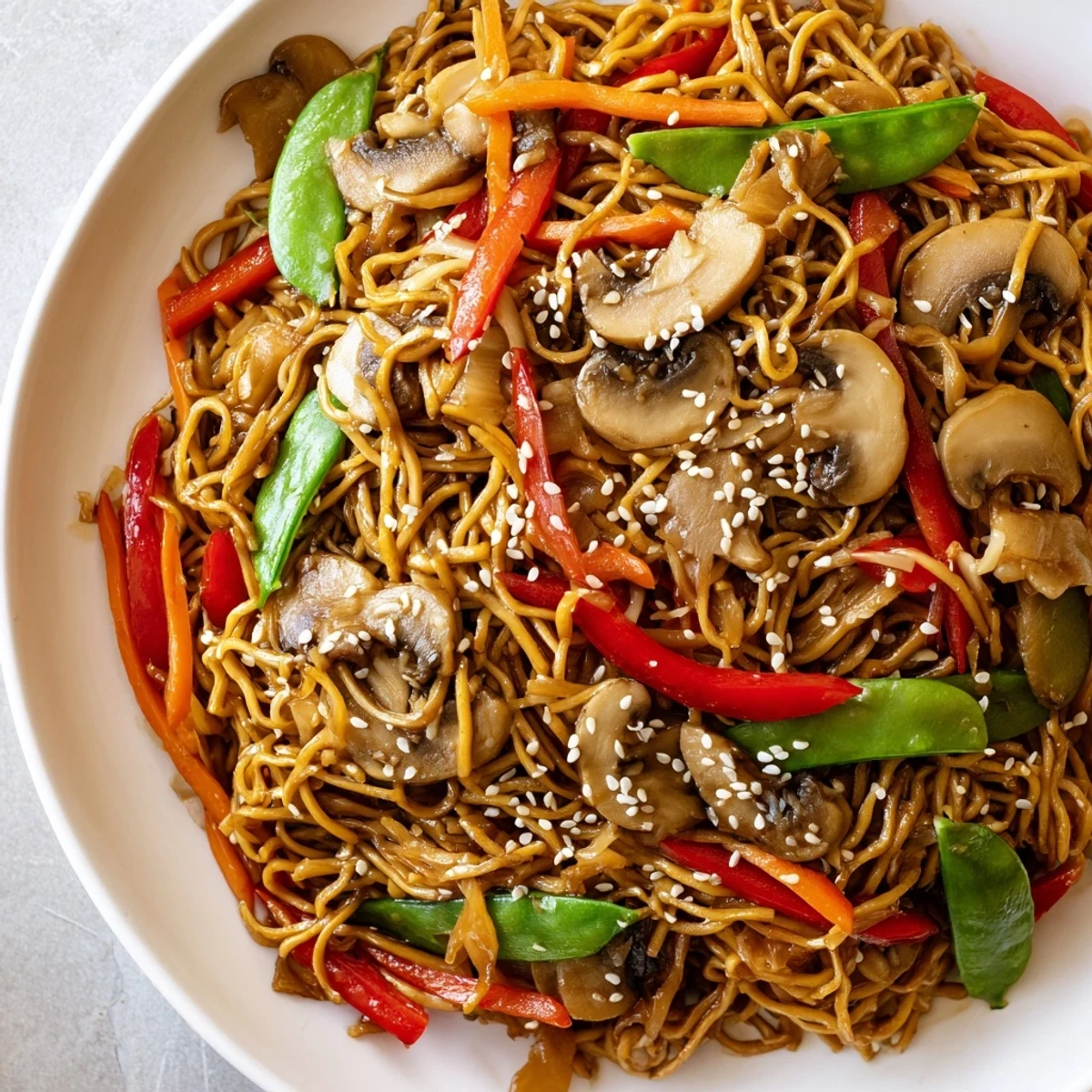
Save This recipe has become my go-to for friends who just moved into new apartments and are missing home-cooked meals. Something about the combination of savory noodles and fresh vegetables just feels comforting in a way that's hard to explain but impossible to fake.
Making It Your Own
I've learned that the best stir-fries are the ones that adapt to whatever's in your crisper drawer. Sometimes I'll add baby corn or water chestnuts for extra crunch, or toss in some baby spinach at the very end so it wilts just slightly without becoming soggy.
The Perfect Noodle Texture
The difference between okay chow mein and restaurant-quality chow mein comes down to not overcooking the noodles. You want them with a tiny bit of chew still in the center, and that cold water rinse after cooking is absolutely essential to stop them from continuing to cook in their own heat.
Serving Suggestions
While this is absolutely perfect as a standalone meal, I love serving it alongside some crispy vegetarian potstickers or a simple cucumber salad dressed with rice vinegar. The contrast between hot, savory noodles and something cool and refreshing makes the whole meal feel more complete.
- Set out chili oil on the table so everyone can add their own heat level
- Squeeze fresh lime over the top just before eating to brighten all those rich flavors
- Make extra noodles because this reheats beautifully for lunch the next day
 Save
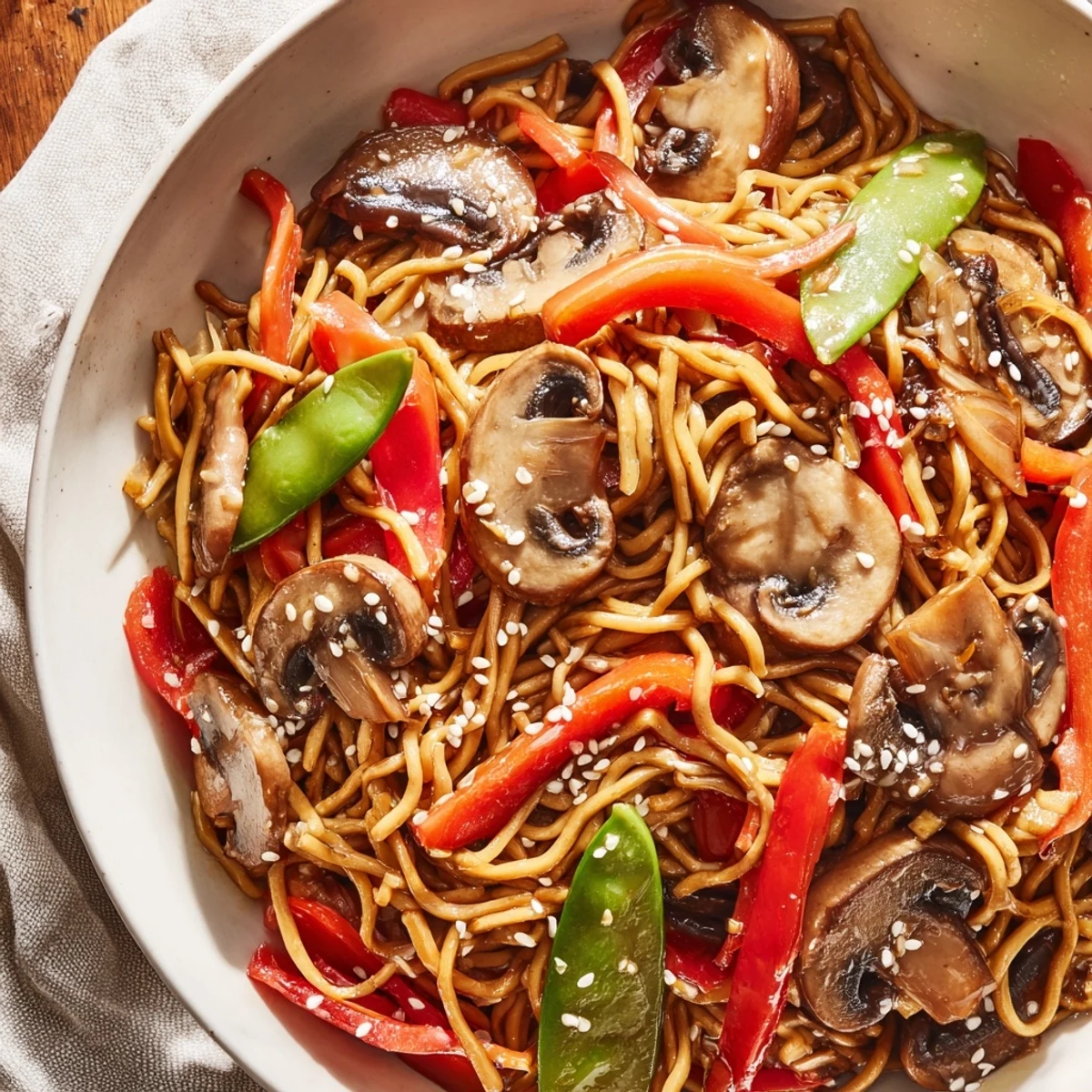
Save There's something deeply satisfying about turning a handful of simple ingredients into a dish that feels like a treat, and this recipe delivers that feeling every single time. I hope it finds its way into your regular rotation the way it has into mine.
Recipe FAQs
- → What noodles work best for chow mein?
-
Egg noodles or wheat noodles are traditional choices, but you can substitute with rice noodles, udon, or even spaghetti for a similar texture. Just cook them al dente since they'll be stir-fried further.
- → Can I make this dish gluten-free?
-
Absolutely. Use gluten-free tamari instead of soy sauce, opt for gluten-free vegetarian oyster sauce, and choose rice noodles or certified gluten-free wheat noodles to accommodate dietary needs.
- → How do I prevent noodles from sticking together?
-
Rinse cooked noodles under cold water to stop the cooking process and remove excess starch. Toss them with a teaspoon of sesame oil before setting aside to keep strands separated until stir-frying.
- → What protein additions work well?
-
Cubed firm tofu, edamame, or tempeh make excellent vegetarian additions. For non-vegetarian versions, sliced chicken breast, shrimp, or pork strips can be stir-fried with the vegetables.
- → How long will leftovers keep?
-
Store in an airtight container in the refrigerator for up to 3 days. Reheat in a skillet over medium heat, adding a splash of water or extra sauce to refresh the noodles and prevent drying.