
 Save
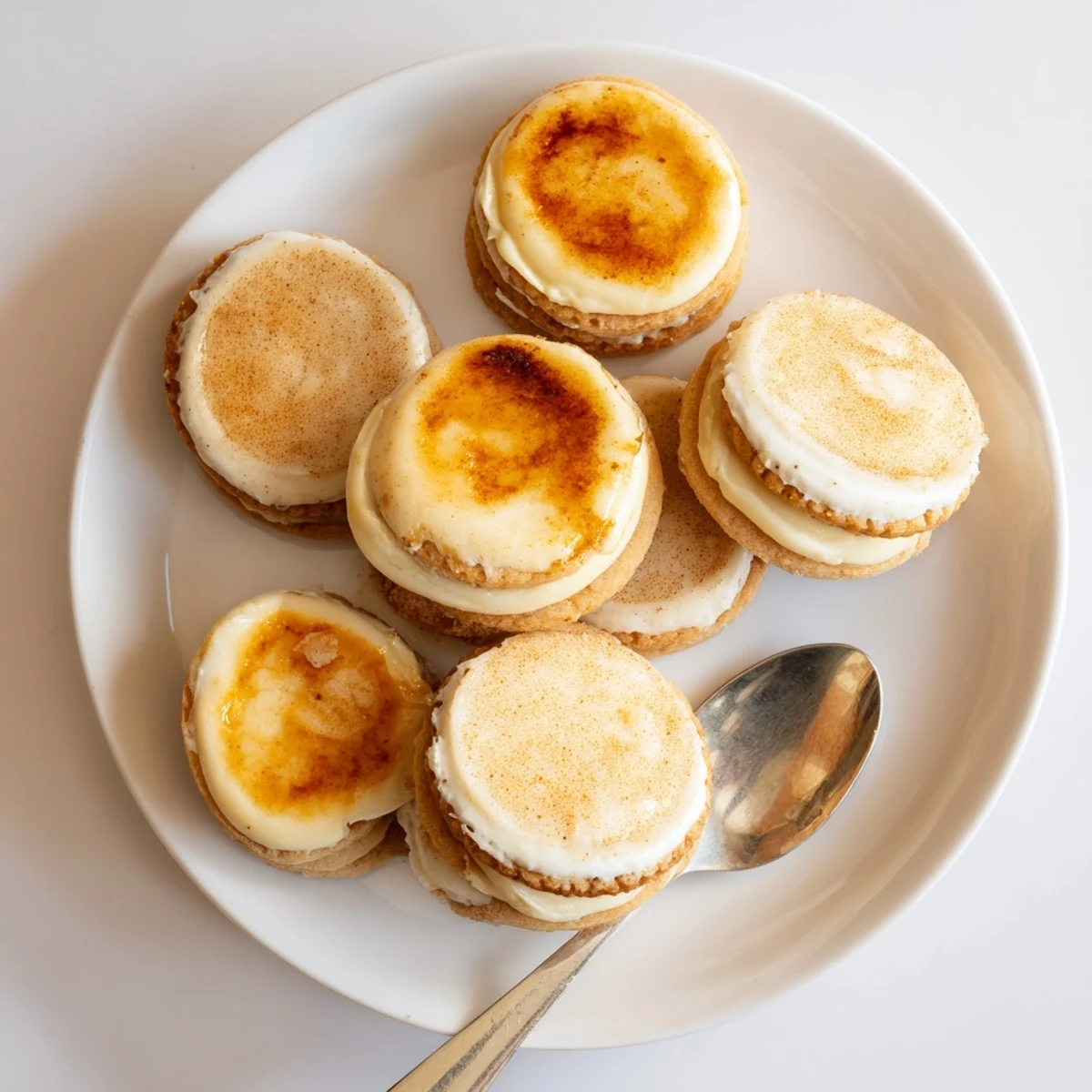
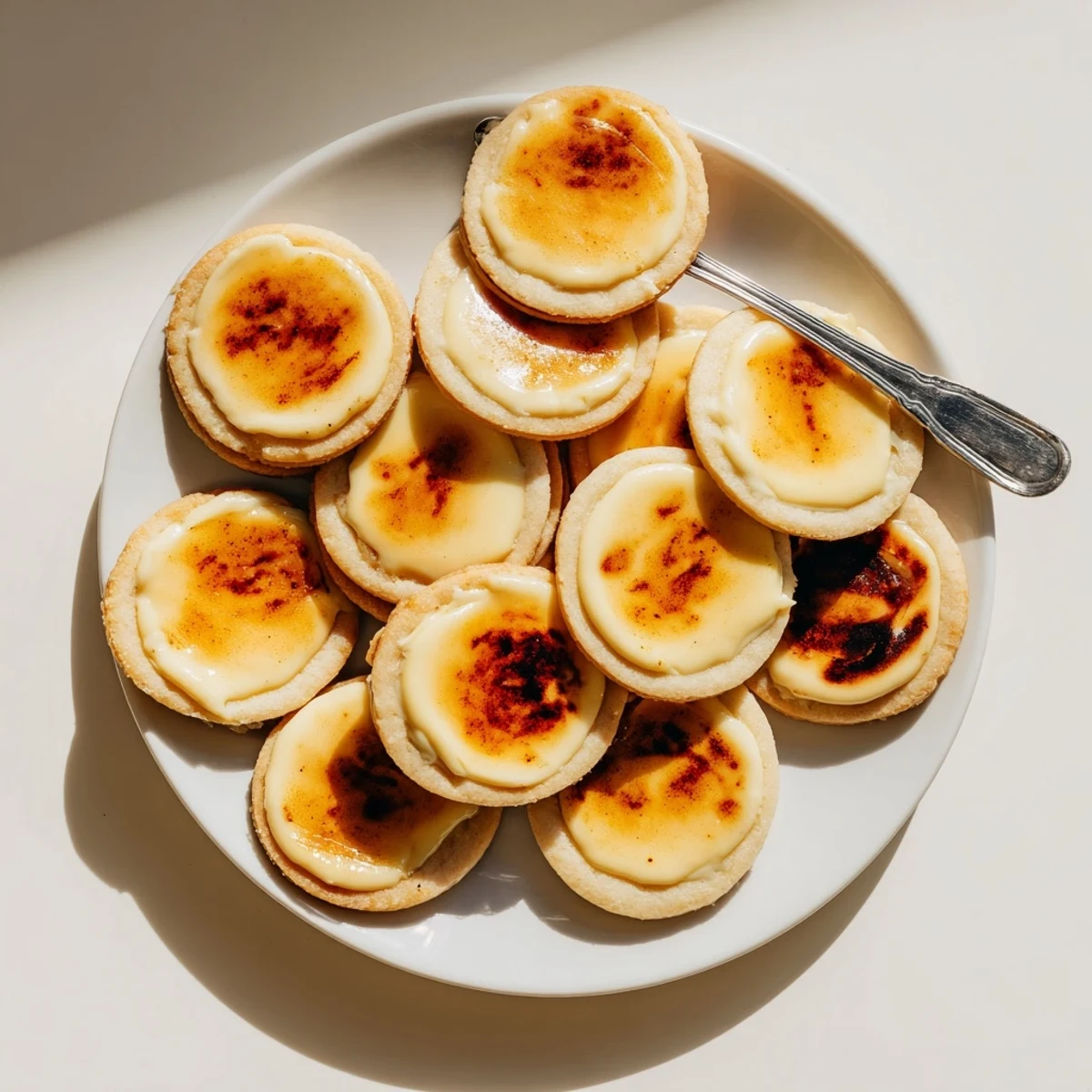
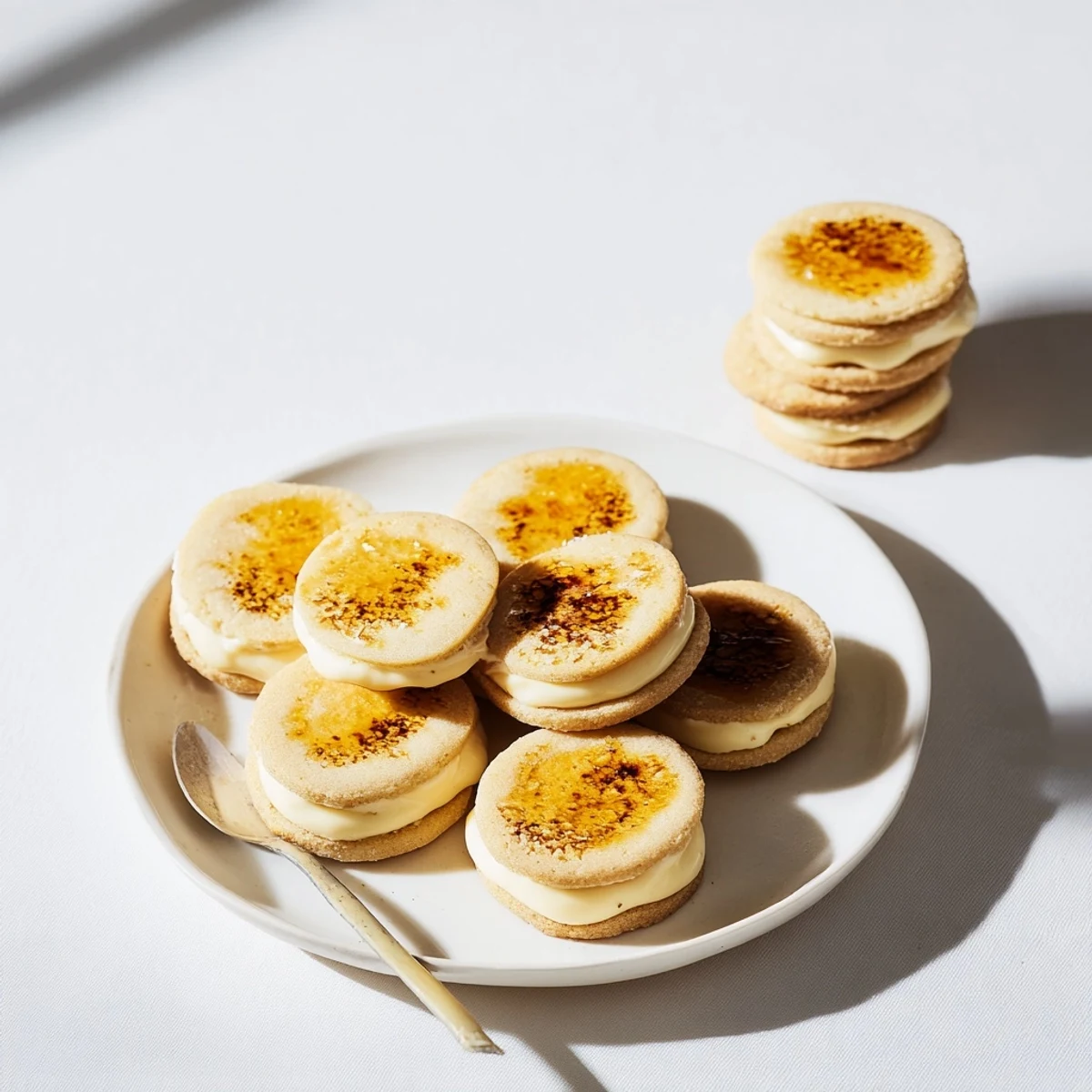
Save These elegant treats combine classic buttery shortbread with the signature elements of crème brûlée. The base features a rich, tender dough made with plenty of butter and vanilla, baked until just golden. Once cooled, each round receives a dollop of silky vanilla custard before being sprinkled with sugar and torched to create that iconic crackly caramelized crust. The contrast between the melt-in-your-mouth cookie, creamy custard center, and crisp sugar top creates an irresistible textural experience perfect for special occasions or elegant entertaining.
My sister called me at 11pm one Tuesday, breathless about a restaurant dessert that changed her life. She described this impossibly crisp sugar shell shattering over buttery shortbread, with something creamy and custard-like beneath. I spent three weeks in my kitchen trying to reverse-engineer that exact moment of first bite. These cookies are what happened when I stopped overthinking it.
I made these for my book club last winter and watched six grown adults go completely silent after their first bite. Someone actually asked if I'd hired a pastry chef to hide in my kitchen. The best part was seeing them tap that caramelized top with their spoons, like kids discovering a secret treasure.
Ingredients
- 1 cup (225 g) unsalted butter: Room temperature is non-negotiable here; cold butter creates stubborn dough that fights back
- 2/3 cup (85 g) powdered sugar: Finer than granulated sugar, this dissolves into the butter for that melt-in-your-mouth texture
- 2 tsp vanilla extract: Don't skimp; vanilla bridges the gap between shortbread and custard flavors
- 2 cups (250 g) all-purpose flour: Spoon and level it instead of scooping directly to avoid packing too much in
- 1/4 tsp salt: Just enough to make the butter taste more like itself
- 1/4 cup (50 g) granulated sugar: This dissolves into the custard base, creating sweet structure beneath the caramel
- 1/4 cup (60 ml) heavy cream: The fat content here makes all the difference in custard silkiness
- 1/2 tsp vanilla bean paste: Those tiny specks look beautiful and taste more intense than plain extract
- 2 large egg yolks: Room temperature yolks incorporate more smoothly into the warm cream mixture
- 1/3 cup (65 g) granulated sugar: Save this for the torch moment; coarser sugar creates thicker caramel shards
Instructions
- Make the shortbread dough:
- Beat butter and powdered sugar until they're pale and practically melting together, then fold in vanilla until the air fills with that warm sweet smell
- Bring it together:
- Sift flour and salt directly into the butter mixture, folding until the dough just holds together; overworking here makes tough cookies, and nobody wants that
- Chill into logs:
- Divide dough in half and roll into 2-inch logs on the counter; wrap tightly and chill at least 30 minutes or the cookies will spread into sad puddles in the oven
- Prep your station:
- Heat oven to 350°F with parchment paper on baking sheets, giving yourself time to find that kitchen torch you swore you'd use more often
- Slice and bake:
- Cut chilled logs into half-inch rounds and bake 12 to 14 minutes until edges blush golden; they'll look underdone but that's exactly right
- Cook the custard base:
- Whisk yolks, sugar, cream, and vanilla over medium-low heat, stirring constantly until it thickens enough to coat the back of a spoon; step away for even 30 seconds and you'll scramble everything
- Assemble and torch:
- Spoon cooled custard onto each cookie, sprinkle with sugar, then torch until it bubbles and turns deep amber; let the caramel set for about 5 minutes before serving
 Save
Save My neighbor smelled the torching sugar from her driveway and knocked on my door with an empty Tupperware container. Now she texts me every Thursday asking if it's cookie week. I've started keeping extra custard in the fridge just in case.
Make-Ahead Magic
The dough logs freeze beautifully for up to three months; just slice and bake when cookie emergencies strike. I've also made the custard two days ahead and kept it in a sealed container in the refrigerator.
Getting That Perfect Crack
Turbinado sugar creates larger caramel shards that look impressive, though regular granulated sugar works perfectly fine. The key is sprinkling it in an even, thin layer so it caramelizes uniformly without burning in spots.
Serving Strategy
These cookies reach their full potential at room temperature, when the shortbread has softened slightly and the custard loses its chill. I plate them on dark napkins so that golden caramel really pops against the background.
- Torch these right before serving for maximum drama and sound effects
- Store in the refrigerator but bring them out 20 minutes before guests arrive
- A sharp knife helps clean up any caramel drips on the baking sheet for prettier presentation
 Save
Save Something magical happens when you combine childhood cookie nostalgia with restaurant-style presentation. These have become my answer to every dinner party invitation, and nobody has ever complained.
Recipe FAQs
- → Can I make the dough ahead of time?
-
Absolutely. The dough logs can be wrapped and refrigerated for up to 3 days or frozen for up to 3 months. Thaw frozen dough overnight in the refrigerator before slicing and baking.
- → Do I need a kitchen torch for the caramelized sugar?
-
While a kitchen torch creates the best results, you can use your oven's broiler. Watch carefully as sugar can burn quickly under the broiler—usually just 1-2 minutes until golden and bubbly.
- → Why did my custard curdle?
-
Curdling occurs from overheating. Keep the heat at medium-low and stir constantly. The mixture should only slightly thicken, not reach a full boil consistency. Remove from heat as soon as you see it thicken.
- → Can I use salted butter instead?
-
You can, but reduce the added salt in the dough to about a pinch. Unsalted butter gives you more control over the final flavor balance, especially important for desserts.
- → How should I store these cookies?
-
Store in an airtight container in the refrigerator for up to 4 days. The custard layer makes them perishable at room temperature. Bring to room temperature for 15 minutes before serving for the best texture and flavor.
- → What type of sugar works best for the caramelized top?
-
Regular granulated sugar creates the classic glass-like crust. For extra crunch and depth, turbinado or demerara sugar works beautifully and adds a subtle molasses note.