
 Save
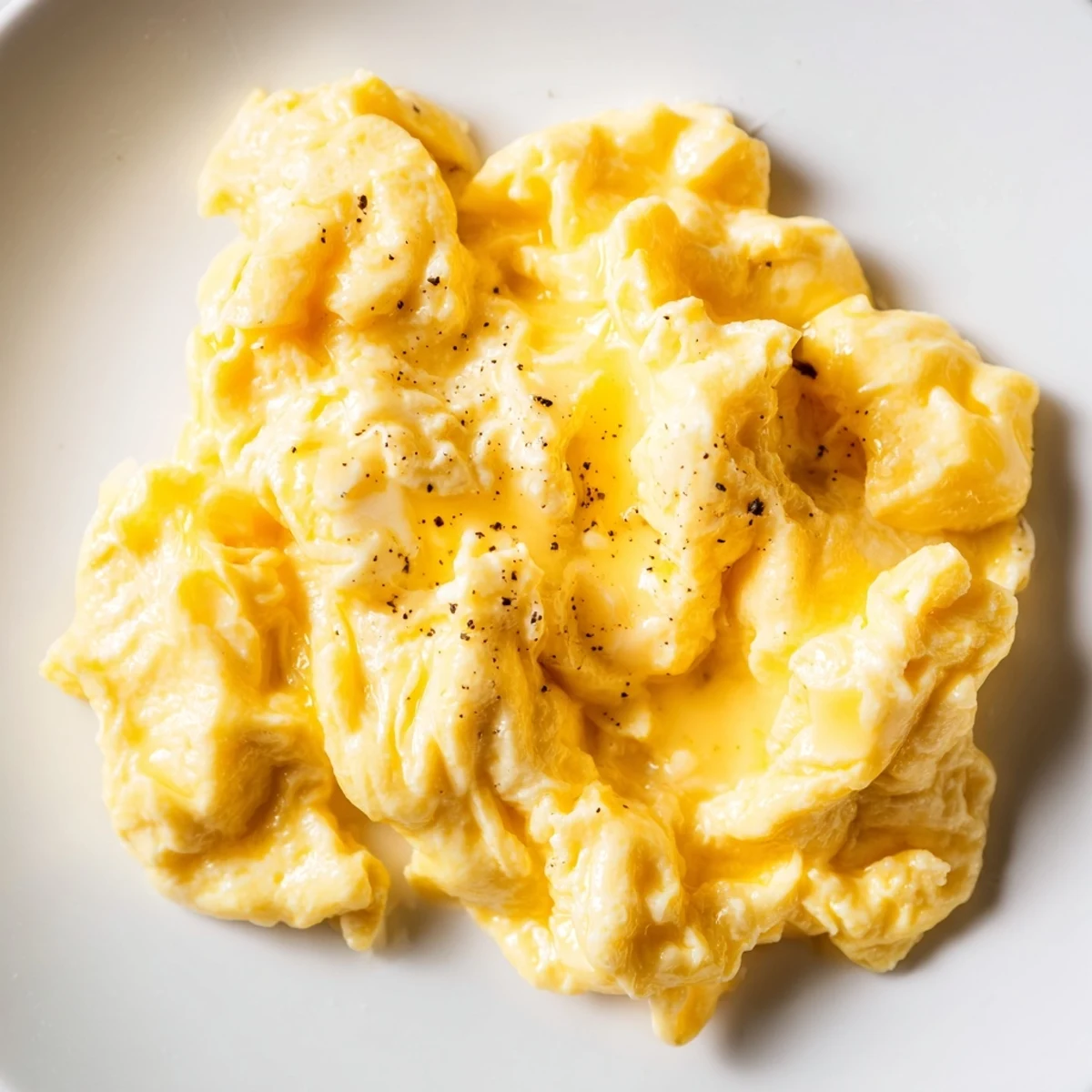
Save Create restaurant-quality scrambled eggs at home with this foolproof technique. The secret lies in gentle, low-heat cooking and constant movement to achieve those signature soft curds. Whisking dairy into the eggs before cooking adds richness and creates an incredibly creamy texture. The entire process takes just 10 minutes from start to finish, making it ideal for busy mornings or lazy weekend brunches. Remember to remove from heat while still slightly moist—residual heat completes the cooking process for perfectly tender eggs every time.
My college roommate taught me that scrambled eggs are never just breakfast—theyre a canvas. She would make them at 2 AM after study sessions, humming to herself while the butter sputtered in the pan. Those late night eggs tasted better than any restaurant version, probably because she cooked them with the kind of patience I didnt know existed until I watched her work.
Last winter my sister came over after a terrible breakup, and I made her these eggs without asking what she wanted to eat. She took one bite and started crying—partly from the sadness, partly because the eggs reminded her of Sunday mornings at our grandmothers house. Sometimes the simplest food carries the heaviest memories.
Ingredients
- 4 large eggs: Fresh eggs from a local farm make a noticeable difference in richness and color
- 2 tbsp whole milk or cream: This is the secret to restaurant style creaminess
- 1 tbsp unsalted butter: Butter adds flavor and helps prevent sticking
- 1/4 tsp salt: Enhances natural egg flavor
- 1/8 tsp freshly ground black pepper: Freshly ground has more depth than pre-ground
Instructions
- Whisk the base:
- Crack eggs into a mixing bowl and add milk or cream, salt, and pepper. Whisk until combined and slightly frothy.
- Melt the butter:
- Heat butter in a nonstick skillet over medium-low heat until melted and gently bubbling.
- Start cooking:
- Pour the egg mixture into the skillet. Let sit for a few seconds until edges just begin to set.
- Create soft curds:
- Gently push eggs from edges toward center with a spatula, forming soft curds.
- Finish cooking:
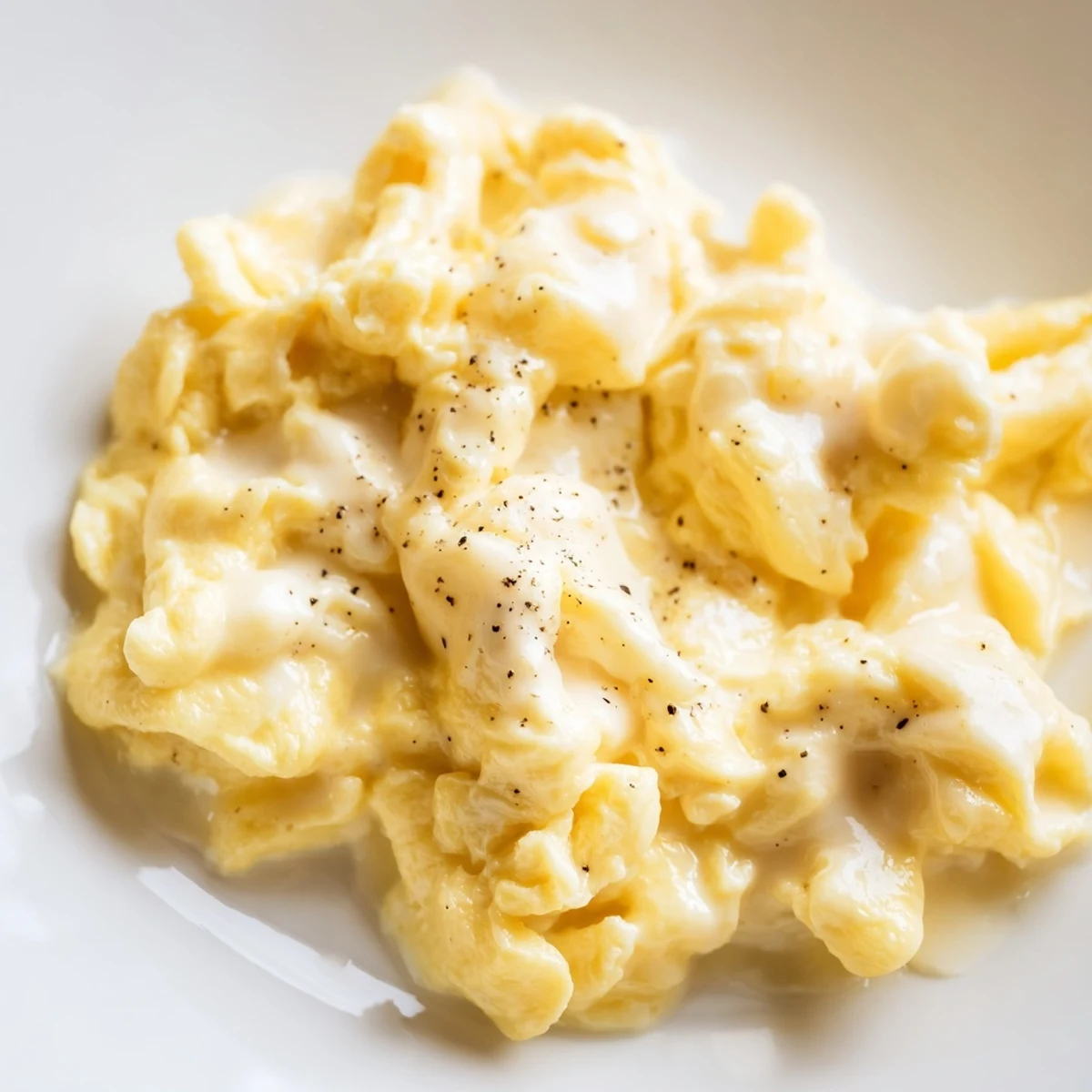
- Cook, stirring occasionally, until just set but still creamy and slightly moist. Remove from heat immediately.
 Save
Save My daughter asked why my eggs taste different from the ones at school, and I realized it is because I actually pay attention to them. I stand there and stir and watch and wait, which is basically love in action. She calls them special occasion eggs now, even though we have them on random Tuesdays.
The Temperature Secret
Medium-low heat feels agonizingly slow when you are hungry and staring at an empty pan. But that gentle heat is what transforms scrambled eggs from rubbery curds into something almost custard like. I once tried rushing it on high heat when running late for work, and ended up with eggs that tasted like disappointment.
Choosing Your Dairy
Cream makes the most indulgent eggs, almost like a soft dessert. Milk keeps things lighter while still adding that essential richness. For weekdays, I use milk because it is what I always have in the fridge. Weekends get the cream treatment because no one is rushing anywhere.
Make It Your Own
Chives from the garden, a handful of grated sharp cheddar, or even leftover roasted vegetables can transform this base recipe into something entirely new. My nephew adds hot sauce and calls it his famous spicy eggs. The technique stays the same—everything else is up to you.
- Fresh herbs should be added at the very end to preserve their bright flavor
- Cheese works best when stirred in during the last 30 seconds of cooking
- Leftover cooked vegetables should be warmed in the butter before adding the eggs
 Save
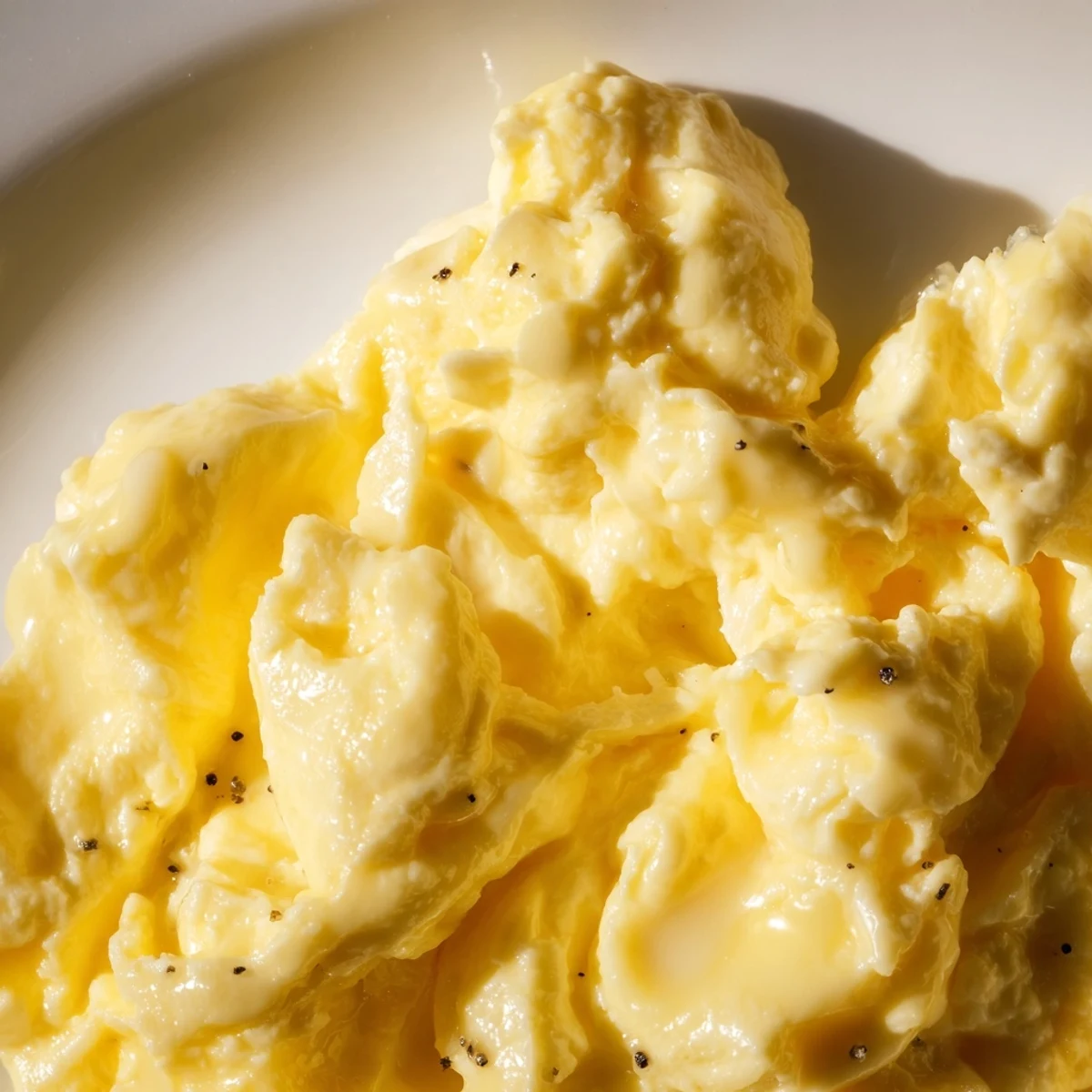
Save Perfect scrambled eggs are not about fancy techniques or secret ingredients. They are about paying attention, moving slowly, and remembering that good food—like most good things—cannot be rushed.
Recipe FAQs
- → Why do my scrambled eggs turn out rubbery?
-
Rubbery eggs usually result from high heat or overcooking. Cook over medium-low heat and remove from the pan while still slightly moist and glossy. The residual heat will finish them to perfect creaminess.
- → Should I use milk or cream in scrambled eggs?
-
Both work beautifully. Whole milk creates lighter eggs, while cream produces richer, more decadent results. The choice depends on your preference and dietary goals.
- → Can I make scrambled eggs ahead of time?
-
Scrambled eggs taste best freshly made, but you can refrigerate them for up to 2 days. Reheat gently with a splash of milk to restore creaminess. They're ideal for meal prep when portioned into containers.
- → What's the best pan for making scrambled eggs?
-
A nonstick skillet is ideal for easy release and cleanup. Cast iron also works but requires more butter. Stainless steel needs careful temperature control and extra fat to prevent sticking.
- → How many eggs per person should I use?
-
Plan on 2-3 large eggs per person for a standard serving. Heartier appetites may prefer 3-4 eggs. This recipe uses 4 eggs for 2 servings, making it easy to scale up or down.
- → What herbs pair well with scrambled eggs?
-
Fresh chives, parsley, dill, tarragon, or basil enhance scrambled eggs beautifully. Add them after removing from heat to preserve their delicate flavor and bright color.