
 Save
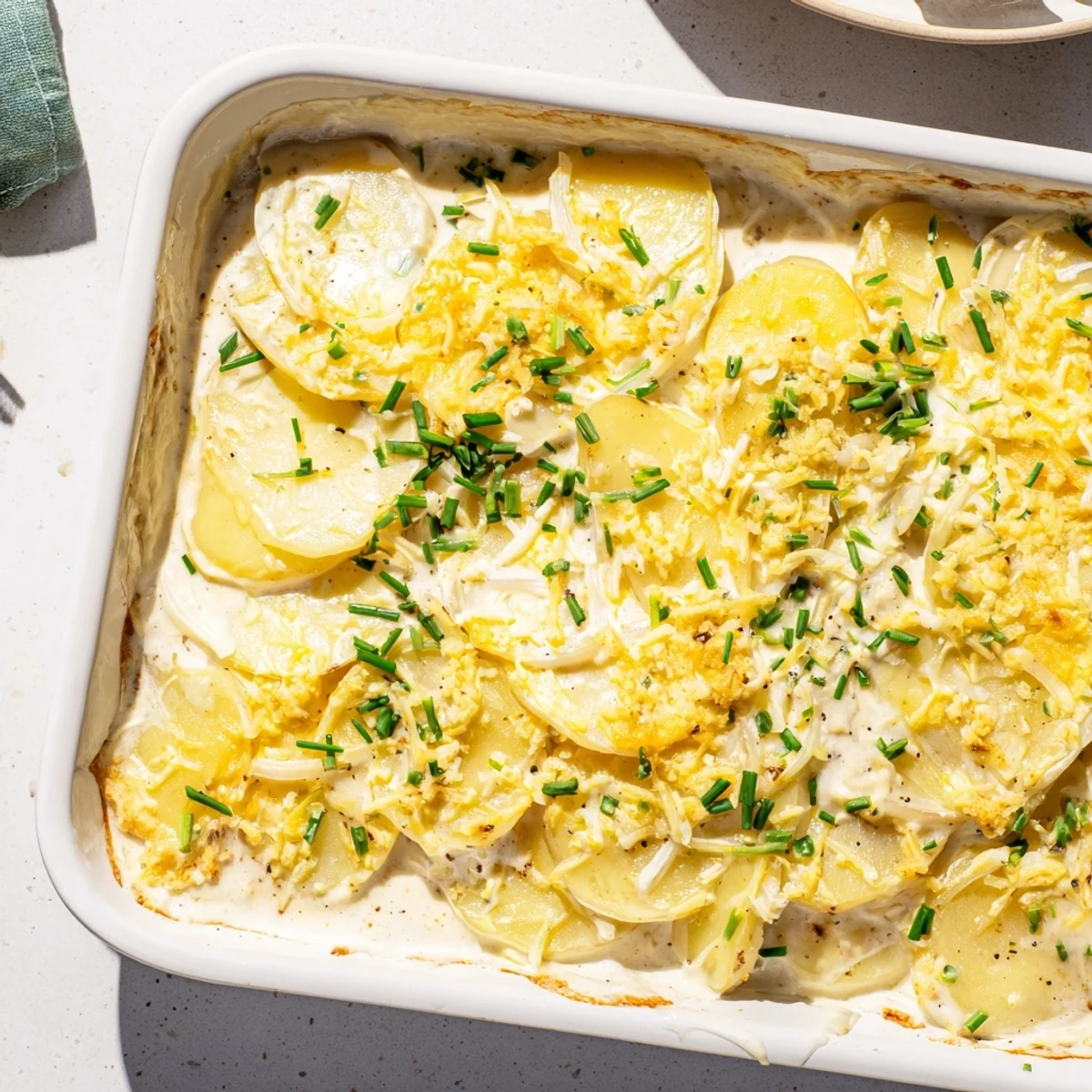
Save These scalloped potatoes feature thinly sliced Yukon Gold potatoes layered with savory onions and finished with generous amounts of aged Gruyère cheese. The potatoes bake in a luxurious mixture of heavy cream and whole milk infused with nutmeg, creating a velvety smooth texture that's utterly indulgent.
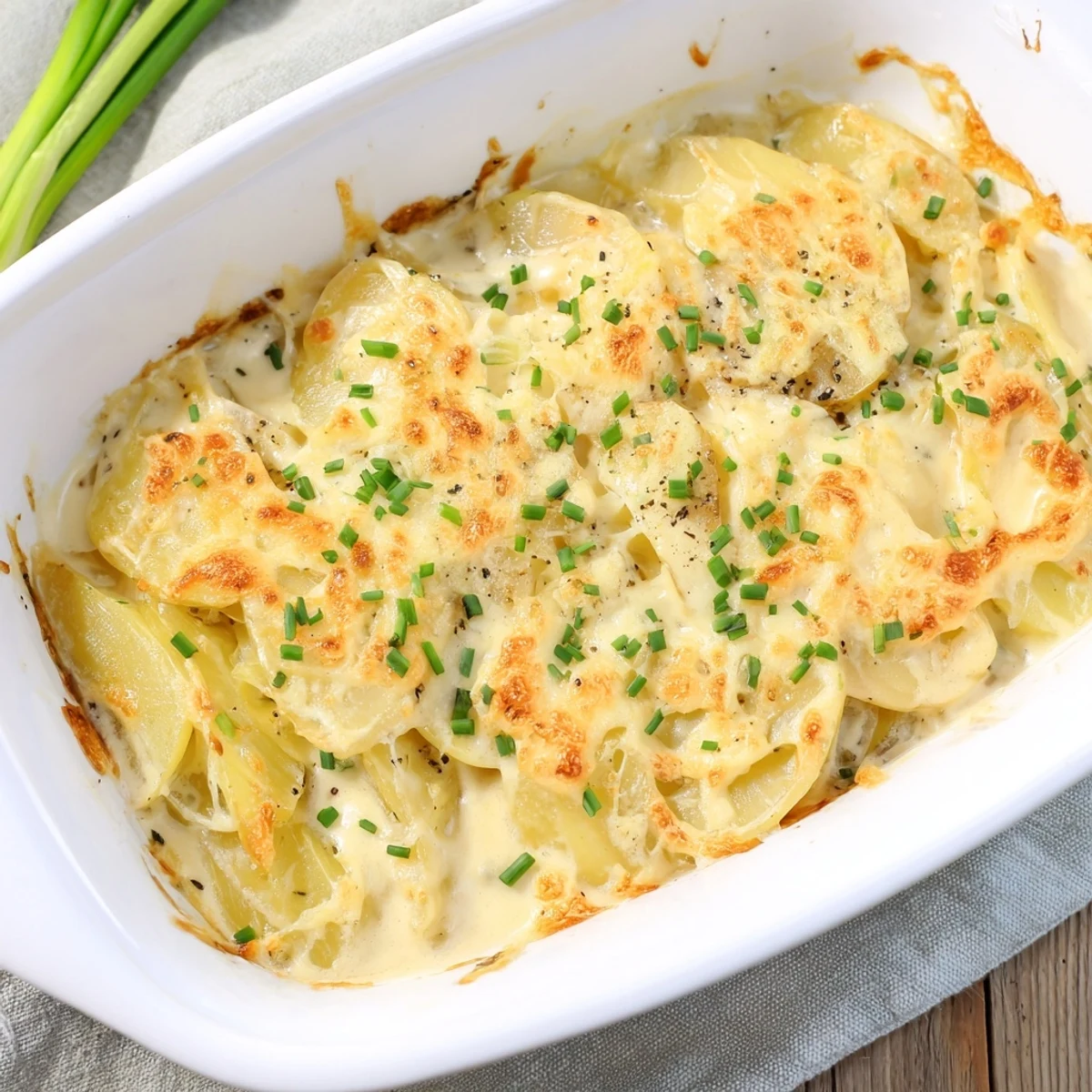
The dish develops a beautifully browned, bubbly crust while the interior becomes meltingly tender. After an hour in the oven, the cheese creates a golden topping that complements the creamy, custard-like layers beneath. A brief resting period allows the sauce to set slightly, making for clean, elegant servings.
This versatile gratin serves six generously and pairs wonderfully with roast chicken, beef tenderloin, or stands alone as a satisfying vegetarian main course with a crisp green salad and dry white wine.
The first time I made potatoes au gratin, I stood in front of the oven for the last twenty minutes, absolutely mesmerized by how the cream bubbled up through the layers and that gorgeous Gruyère crust formed into something magical. My kitchen smelled like a French bistro, and I remember thinking, this is what comfort food should be.
I served this at a dinner party last winter alongside a simple roast chicken, and honest to goodness, people kept hovering around the serving dish. My friend Sarah, who claims to not even like potatoes that much, went back for thirds.
Ingredients
- Yukon Gold potatoes: Their natural waxiness means they will not turn into mush during that long bake time
- Freshly grated Gruyère cheese: Pre-shredded cheese has anti-caking agents that will make your sauce grainy
- Heavy cream and whole milk: The combination creates richness without being overwhelmingly heavy
- Freshly grated nutmeg: Just a pinch adds this subtle warmth that makes people ask what your secret ingredient is
- Garlic clove: Rubbing the dish creates a fragrant foundation without any harsh raw garlic flavor
Instructions
- Prep your baking vessel:
- Rub that cut garlic all over the inside of your dish, then butter it thoroughly. This base layer of flavor matters more than you might think.
- Build the first layer:
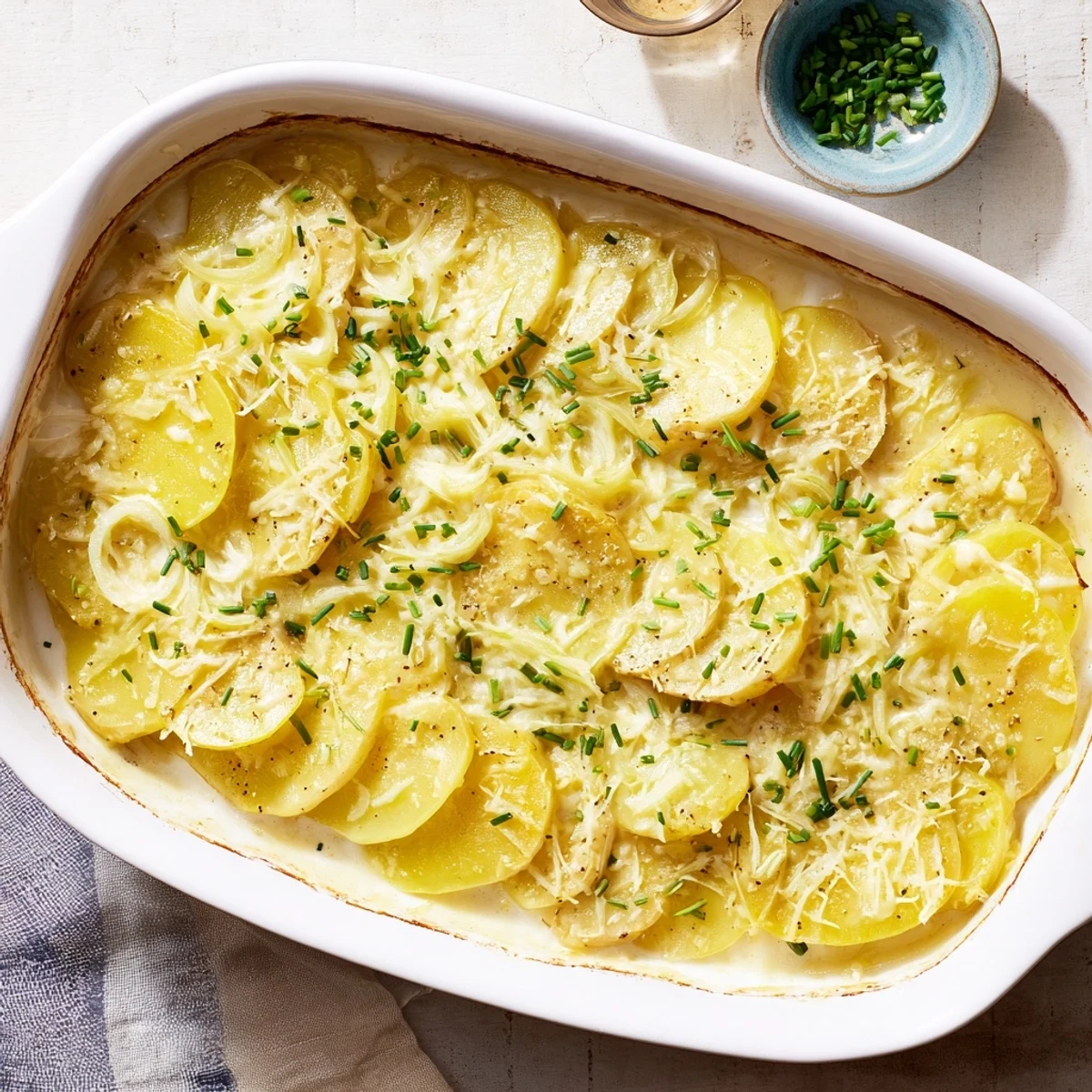
- Arrange half your potatoes in overlapping rows, like shingles on a roof. Tuck some onion slices between them if you are using onion, then season gently with salt, pepper, and nutmeg.
- Add the first cheese layer:
- Sprinkle half that grated Gruyère evenly across the potatoes. It will melt down into the creamy sauce later.
- Repeat and finish:
- Layer the remaining potatoes and onions, season again, then top with the rest of your cheese. Make sure that final cheese layer is generous because that crust is everything.
- Warm the cream mixture:
- Gently heat your cream and milk until steaming but do not let it boil or separate. Pour it slowly over the layered potatoes so it can seep into every nook and cranny.
- Bake covered first:
- Cover tightly with foil and bake for forty minutes. This steam environment helps the potatoes cook through evenly.
- Uncover for the golden finish:
- Remove foil and bake another twenty minutes until the top is bubbling and deeply golden in spots. Let it rest at least ten minutes before serving so the sauce can set slightly.
 Save
Save This has become my go-to for holiday meals because it can be assembled ahead and popped in the oven when guests arrive. There is something so satisfying about serving something that looks impressive but is actually quite straightforward.
Choosing the Right Cheese
Gruyère is the traditional choice because it melts beautifully and has that nutty complexity. But I have found that aged Gouda creates an even deeper caramel flavor profile if you want to experiment. Just avoid any cheese labeled as pizza cheese because those will not give you that velvety texture.
Perfect Potato Slices
I invested in a mandoline after too many uneven potato layers, and it honestly changed everything. Uniform slices, about an eighth of an inch thick, cook at the same rate and create that professional-looking presentation. If you are cutting by hand, take your time and aim for consistency over speed.
Make Ahead Magic
You can assemble this entire dish up to a day ahead and keep it refrigerated, covered. Just add about ten extra minutes to the covered baking time if it goes into the oven cold from the refrigerator.
- Let the dish come to room temperature for about thirty minutes before baking if possible
- Cover with plastic wrap directly against the surface to prevent a skin from forming
- Wait to add the final butter dots until just before baking
 Save
Save The best part is how this transforms leftovers, if you even have any, into an entirely different meal the next day.
Recipe FAQs
- → What makes au gratin different from scalloped potatoes?
-
Au gratin specifically includes cheese, while scalloped potatoes typically rely on a creamy sauce without the cheese layer. This version features generous Gruyère throughout, creating that signature golden crust and rich flavor profile that distinguishes the gratin style.
- → Can I prepare this dish ahead of time?
-
Yes, assemble the entire dish up to 24 hours in advance, cover tightly, and refrigerate. Bring to room temperature for 30 minutes before baking, adding 5-10 minutes to the covered baking time. The flavors develop beautifully when made ahead.
- → Why use Yukon Gold potatoes?
-
Yukon Golds hold their shape beautifully during long baking while becoming creamy inside. Their naturally buttery flavor complements the rich sauce, and their thin skins don't require peeling if you prefer a more rustic presentation.
- → What cheese substitutes work best?
-
Emmental offers similar melting properties with a milder flavor. Sharp white cheddar provides a tangier profile, while Comté adds nutty depth. Avoid pre-shredded cheese as anti-caking agents prevent proper melting.
- → How do I know when it's done baking?
-
The potatoes should be easily pierced with a paring knife with no resistance. The top should be deep golden brown with bubbling cheese sauce visible around the edges. If browning too quickly, tent loosely with foil.
- → Can I freeze leftover gratin?
-
Freshly baked gratin can be frozen for up to 2 months. Cool completely, wrap tightly in foil and plastic, then thaw overnight in the refrigerator before reheating covered at 160°C (325°F) for 20-30 minutes until heated through.